
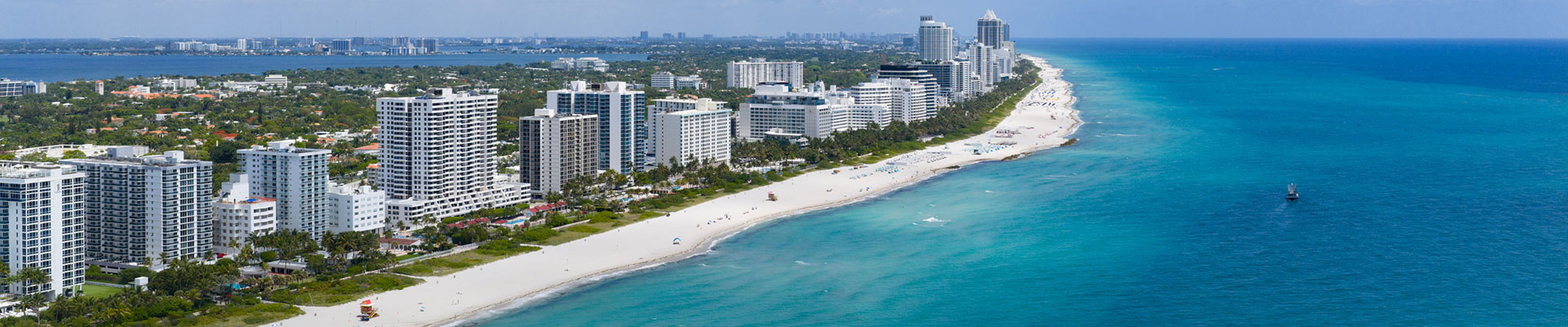
The groundwater-first mindset no longer stands up to Florida’s water reality the way it once did
Population growth, development pressure, and rising demand are pushing utilities to widen the search for dependable, long-term supplies. That pressure is pushing utilities toward broader water strategies and service models such as Water-as-a-Service® (WaaS®), which can help communities evaluate and implement new sources sooner.
Across the state, utilities are asking harder questions. How long can familiar sources support continued growth? Which alternatives deserve real attention instead of a place on a long-range wish list? Those questions now shape planning across Florida.
In This Article
Groundwater Has Limits
For decades, groundwater helped fuel Florida’s growth. It still plays a central role, but Florida regulators and water management districts have drawn a clear line: many parts of the state cannot keep leaning on traditional groundwater alone without inviting saltwater intrusion, reduced spring flows, lowered lake levels, and impacts on wetlands. That reality has pushed alternative water supply into the center of long-range planning.
In some regions, those pressures have moved past theory. Southwest Florida planners are confronting coastal saltwater intrusion, reduced flows in the Upper Peace River, and declining lake levels in parts of Polk and Highlands counties.
That kind of strain rarely arrives as one dramatic event. A source that once looked dependable can grow harder to permit, costlier to protect, or less sustainable to expand. By the time that pattern becomes obvious, communities need credible alternatives already under evaluation.
What an Alternative Water Supply Looks Like
The phrase “alternative water supply” (AWS) simply means that utilities supplement traditional groundwater with other sources, such as reclaimed water, desalination, surface water, and aquifer recharge.
Florida’s regional planning already reflects that approach. Water managers build strategic portfolios that combine conservation with brackish groundwater, stormwater, seawater, aquifer storage and recovery, and other sources, rather than forcing a single traditional source to carry the full load.
Desalination plays an important role in Florida, but the choice of source water significantly shapes economics, siting, and long-term viability. Seawater reverse osmosis can expand the supply along the coast. Florida’s ample brackish water resources also offer many communities a more economical path through brackish water reverse osmosis (BWRO), as it typically costs less than treating seawater.
Alternative sources do not always need to replace groundwater. In many cases, the smarter move is to reduce pressure on existing aquifers, diversify risk, and build a more resilient supply mix that supports growth without overloading any single source.
Diversification Is Gaining Ground
Utilities are turning toward alternative supply as growth pressure, environmental limits, regulatory expectations, and long-term reliability concerns all converge.
State and district policies are reinforcing that movement. Florida now coordinates alternative water supply grants across water management districts and local partners, rather than treating AWS as a talking point with no path to execution.
At the permitting level, Florida law allows water management districts, under the right conditions, to tie permits to the feasibility or use of reclaimed water when available.
Communities can no longer afford to wait for a shortage before exploring alternatives. They must evaluate options early, match sources to local conditions, and shape a supply strategy.
Florida utilities and developers are being asked to plan further ahead than ever before. If groundwater constraints, permitting timelines, or growth pressure are starting to impact your project, it may be time to evaluate alternative supply options.
Submit your project details for a preliminary, high-level assessment.
Still exploring? View our Florida water & wastewater solutions. →
Planning Demands More Than Technology
Technology alone will not carry that effort. Alternative supply projects require coordination, financing strategy, and a clear path from concept to operation.
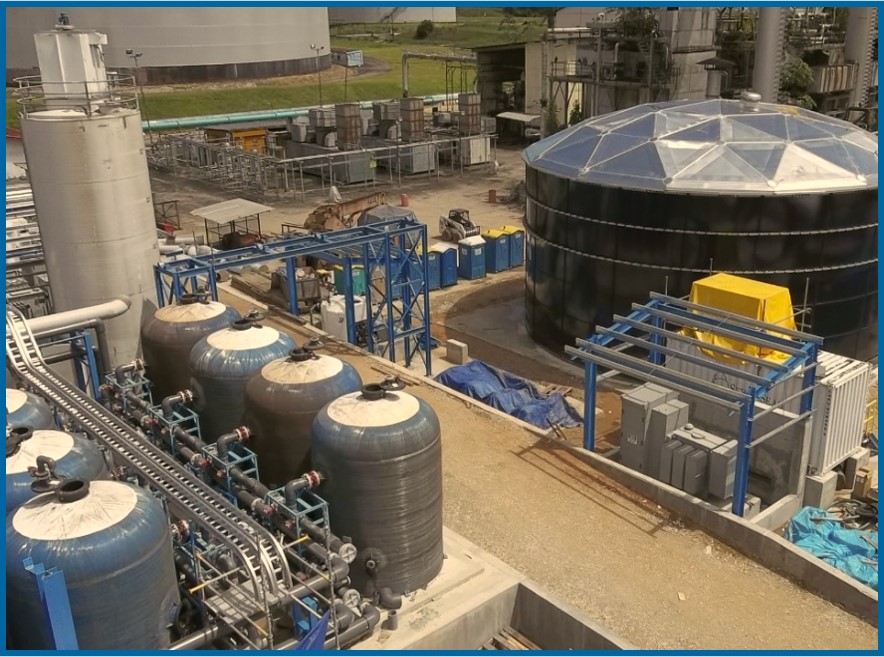
Trinidad treatment infrastructure was developed to support reliable water supply while accounting for local environmental conditions.
The Seven Seas Water Group desalination plant in Point Fortin, Trinidad, shows what that level of planning looks like in practice. The project paired desalination with careful environmental protections, including impact studies, screened intake, low-velocity pumps, effluent monitoring, ecological surveys, and safeguards for sensitive marine habitats.
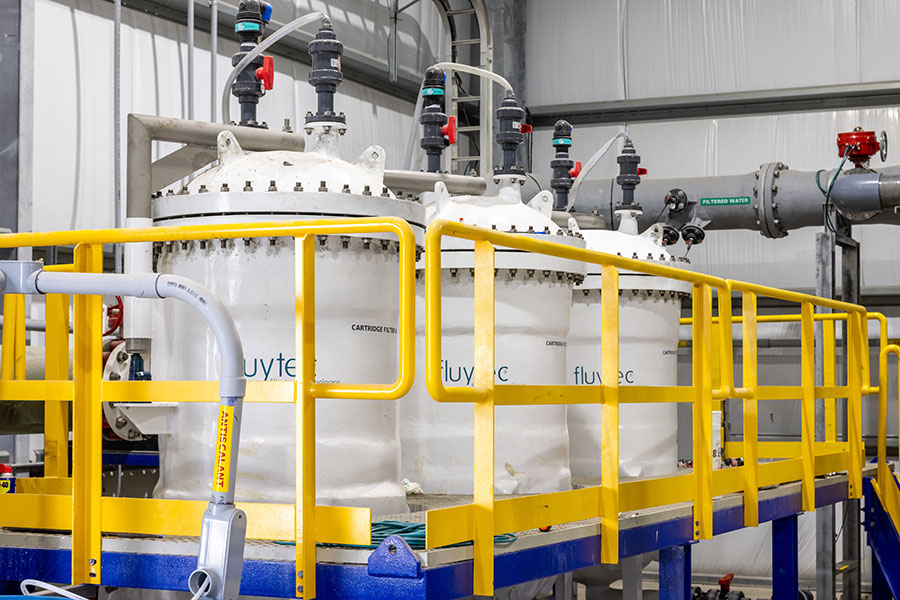
Seven Seas’ brackish water treatment plant in Alice, Texas, provides a local water supply through a service-based delivery model.
The Seven Seas project in Alice, Texas, shows the financial side. There, a service-based brackish desalination project delivered a new local water supply without upfront capital, while maintaining lower long-term costs. It demonstrated that diversification does not have to increase the capital burden on the customer at any point in the agreement timeline.
Those examples matter for Florida because responsible growth depends on more than the right source on paper. Communities also need a workable way to deliver, finance, and operate that source. Seven Seas helps utilities move from interest in diversification to fully structured projects that align with real-world constraints, timelines, and budgets.
Florida’s water future will depend in part on how effectively communities integrate alternative supplies into their overall strategy. Florida law now provides a clearer framework for pursuing service-based, public-private water and wastewater projects, making it easier for communities to move from concept to implementation. Evaluate whether an alternative water supply approach is appropriate for your project.
Image Credit: photosvit/123RF