
Enhancing suburban resilience with decentralized systems and financing options
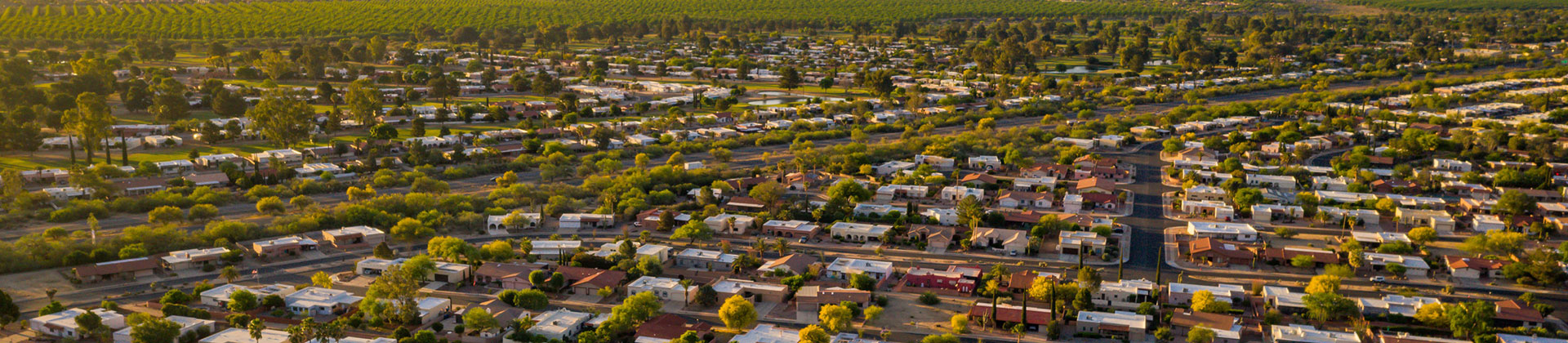
With a population of more than 7.5 million, Arizona is one of the fastest growing states in the nation, with a 3 percent population growth from 2020 to 2022, and an expected 25 percent more people by 2060.
Arizona’s rapid suburban growth is creating new challenges in water management. It has been increasingly difficult to secure reliable water supplies in the face of ongoing droughts and stricter regulatory standards.
Traditional centralized treatment systems are often outdated and overburdened, and do not have the capacity or pipeline infrastructure to cater to growing populations located far from existing centralized plants. To overcome these challenges, communities must explore innovative solutions that are both sustainable and economically feasible.
Decentralized wastewater treatment can be a game-changer, offering resilient and affordable solutions for expanding suburban areas.
And, by taking advantage of specialized contracts, municipalities and developers can benefit from private-sector investment and expertise, and access state-of-the-art technologies. This can help ensure long-term water security for communities across Arizona, without the financial burdens typically associated with building water infrastructure.
In This Article
Sustainable, Decentralized Water Treatment
Arizona relies heavily on water from the Colorado River, a water supply often impacted by drought and water rights disputes. About 40 percent of Arizona’s water comes from aquifers, but this resource is diminishing faster than it’s being replenished, leading to significant depletion concerns and a push for alternative solutions.
Promising solutions to Arizona’s dependence on over-stressed aquifers include decentralized wastewater treatment — which means placing smaller, modular units within the communities they serve rather than at a centrally located point some distance away — and the ability to lease treatment infrastructure.
By treating and recycling water for reuse locally, these approaches not only reduce the strain on existing water supplies, but also prevent pollution of freshwater systems, aligning with state regulations promoting sustainable water management.
Decentralized wastewater treatment offers a flexible, cost-effective, and sustainable alternative to traditional centralized systems. It alleviates the need for extensive pipeline networks to transport water and wastewater to and from the community, significantly reducing infrastructure costs, while also facilitating local water reuse within the community.
Affordable Development
The decentralized approach is particularly beneficial for homeowners associations (HOAs) and new developments because the modular design of decentralized wastewater treatment systems allows for a phased installation in line with projected growth. This means that a development can start with a small wastewater treatment plant to keep costs low initially, yet have the flexibility to add additional units as the community expands. Another segment facing this challenge is home developers planning and building communities before an HOA is established. In many fast-growing suburban areas, local public utilities cannot keep pace with development. These developers must source and implement decentralized, dedicated water and wastewater treatment plants to secure essential utility services before they can begin their projects.

A decentralized wastewater treatment plant can serve Arizona’s growing suburban communities.
Additionally, modern decentralized systems are designed to meet strict environmental regulations, ensuring compliance with state and federal standards while promoting responsible water management. Besides the cost and regulatory benefits, these localized systems provide greater community resilience by operating independently, making them less vulnerable to regional service disruptions due to water shortages or infrastructure failures.
Package wastewater treatment plants, already used in various communities, demonstrate how scalable, on-site solutions can support Arizona’s growing demand for sustainable and reliable water management that complies with the state’s stringent environmental regulations. Additionally, the modular design of our decentralized plants allows them to be rapidly deployed and easily removed, facilitating quick implementation of critical infrastructure.
Financing and Leasing
Our programs give customers a cost-effective way for flourishing suburbs to develop necessary infrastructure.
Instead of investing large sums of capital in water or wastewater infrastructure, municipalities and developers can opt to lease a plant, paying a fixed monthly fee for the infrastructure for the duration of the lease agreement. With Seven Seas Water Group’s Lease Plant Program, a customer can sign a short- or long-term lease agreement with the option to purchase. Leasing water infrastructure allows municipalities and developers to gain access to modern water technologies without the burden of upfront capital investment.
Another way to access modern treatment options with no capital outlay is through our Water-as-a-Service® (WaaS®) offering. Seven Seas provides the funding and expertise to design and build water infrastructure tailored to meet your specific needs in terms of both water quality and treatment capacity. The customer pays for water used or treatment provided, at terms set in the contract.
Planning for the Future of Arizona’s Water Resilience
As Arizona’s suburbs continue to expand, the need for innovative, sustainable water solutions has never been more urgent. Decentralized wastewater treatment, leased or provided through partnerships, offers a practical, cost-effective strategy to address water scarcity, reduce reliance on overdrawn groundwater, and ensure long-term resilience. By embracing these modern approaches, municipalities and developers can secure reliable water supplies while minimizing financial burdens and environmental risks. As the state grapples with the challenges of urban growth and climate change, forward-thinking water management will be key to building thriving, sustainable, water-secure communities.
Contact Seven Seas to learn more about our decentralized wastewater treatment systems, Water-as-a-Service®, Lease Plant Program, and other solutions that can help you get the water infrastructure you need.
Image Credit: mdurson/123RF