
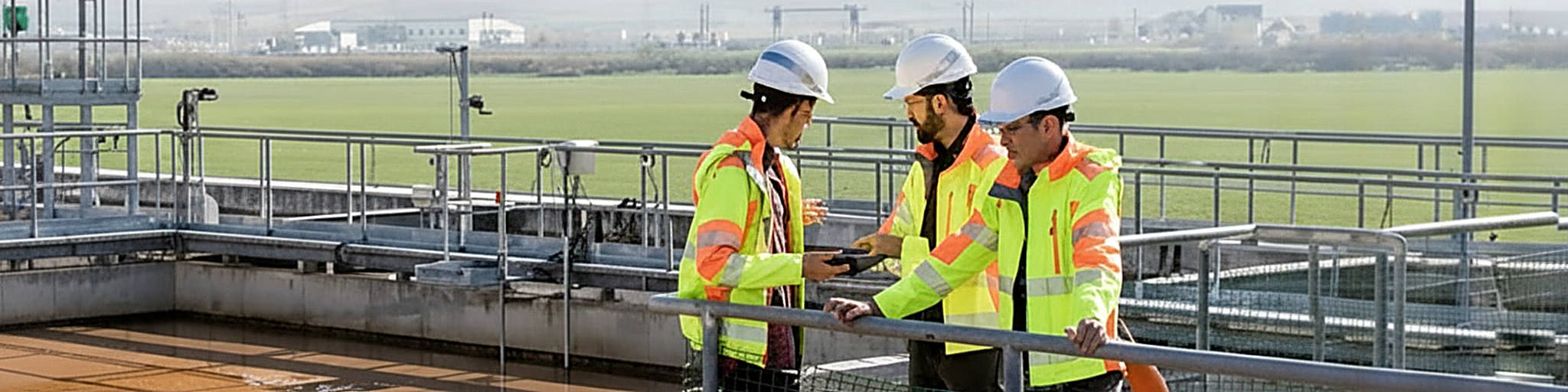
As staffing shortages, capital constraints, and regulatory pressures grow, utilities are rethinking how infrastructure is owned, operated, and managed
Water and wastewater treatment plants traditionally have been owned, operated, and maintained by the municipalities they serve. That ownership model worked well in an era of stability, when population growth was steady, demand was predictable, staffing was readily available, and planning horizons stretched 30 or 50 years ahead.
Today, many utilities face a different set of conditions. Limited access to capital makes it difficult to invest in large infrastructure projects. Workforce shortages make it difficult for utilities to recruit and retain certified operators for complex plant operations. Regulatory standards and their implementation timelines are evolving faster than funding cycles can keep up.
While these challenges don’t make ownership unworkable, they do expose its limitations in situations where demand, staffing, or regulatory requirements shift quickly. Against this backdrop, Water-as-a-Service® (WaaS®) has emerged as a service-delivery model designed to help utilities respond with more speed and flexibility.
What Traditional Treatment Plant Ownership Still Does Well
Traditional ownership has worked for decades and still offers clear advantages. Ownership provides utilities with direct control over water infrastructure that is expected to serve communities well into the future. It offers familiar governance structures and public accountability, and aligns with long-term planning goals. The ownership model works best when demand is stable, utilities have access to adequate capital, and in-house expertise is available. For some systems, ownership may still be the most efficient and cost-effective approach.
Ownership itself isn’t the problem; the challenge arises when systems must adapt quickly without the capital, staffing capacity, or procurement timelines to match.
What Water-as-a-Service® Changes
Water-as-a-Service® is often misunderstood as a financing mechanism or a form of privatizing infrastructure. In reality, it is a service model that reallocates operational responsibility and performance risk.
Under WaaS®, the design, construction, ownership, and operations are bundled and delivered as a service rather than as a capital asset on a utility’s balance sheet. Instead of paying for the infrastructure, the utility pays only for the volume of water or wastewater treated.
This approach can reduce several burdens utilities face. It can lower upfront capital exposure and shift major project-delivery risk to the provider. Performance risk is contractually assigned to the service provider, who is accountable for meeting regulatory and operating requirements. And it alleviates the burden of recruiting and retaining certified staff, since operations and maintenance are handled by an external team of trained water professionals.
The real shift isn’t ownership, but who carries the risk. WaaS® can be structured to scale capacity and adapt to changing requirements with less redesign, re-permitting, or recapitalization than traditional expansion projects typically require.
Replacement or Complement? How Water Utilities Are Using WaaS®
While WaaS® can be a stand-alone solution, most utilities don’t take an all-or-nothing approach. More often, they use a hybrid strategy, applying WaaS® where speed, scalability, or risk transfer provides the most value as part of their broader water management strategy.
In fast-growing areas, WaaS® allows utilities to increase capacity without overbuilding and bring more homes online quickly. For compliance-driven projects, it provides a way to meet regulatory deadlines without waiting years for funding. For phased developments or to meet interim capacity needs, the modular, scalable design of WaaS® systems offers flexibility that permanent infrastructure can’t. These advantages—particularly speed, scalability, and reduced upfront risk—are driving the adoption of WaaS®.
At the same time, utilities continue to own and operate core assets that serve long-established communities with stable demand. These systems benefit from institutional knowledge, sunk capital, and long-term planning frameworks that still work well.
Utilities that want the benefits of WaaS® and still retain the option to take ownership of the asset in the future can opt for a build-own-operate-transfer (BOOT) contract. In such arrangements, ownership of the infrastructure is transferred to the utility at the end of the contract term.
The Future of Plant Ownership
Traditional ownership isn’t going away—but it is evolving. Utilities are increasingly using a mix of delivery models, with Water-as-a-Service® playing a growing role in how water and wastewater infrastructure is financed, operated, and managed.
Water-as-a-Service® reflects a broader shift toward service-based delivery, where long-term performance, regulatory compliance, and cost predictability matter more than direct asset ownership. By aligning responsibility for operations, maintenance, and outcomes under one contract, WaaS® helps utilities focus on service reliability rather than infrastructure risk.
As ownership models diversify, the most resilient utilities will prioritize who is accountable for performance—ensuring systems operate reliably, meet regulatory requirements, and remain affordable over time.
Contact Seven Seas to learn more about how Water-as-a-Service® and alternative delivery models can support your system’s performance, compliance, and long-term planning goals.
Image Credit: zstockphotos/123RF