
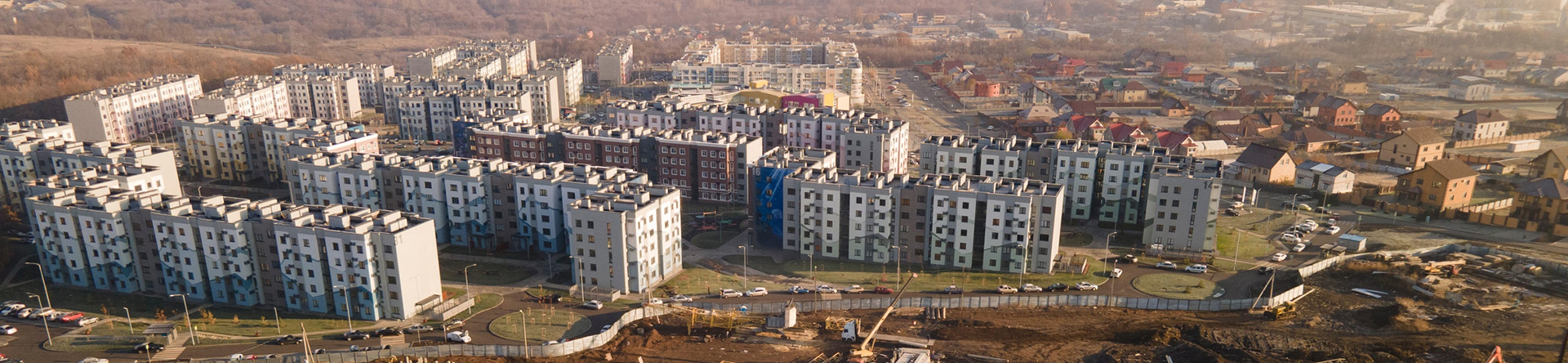
Aging centralized infrastructure struggles to keep pace with modern demands
Many traditional wastewater systems were designed for a different pace of growth, a different funding environment, and a different set of regulatory and operational demands. While these systems still manage wastewater efficiently, they have limitations where growth is rapid and capacity cannot be added quickly enough to keep pace.
In This Article
What Traditional Wastewater Systems Were Designed to Do
Many conventional wastewater treatment plants were designed decades ago, when projected growth was slow and predictable, and infrastructure planning extended over much longer timelines. This steady pace gave utilities years to plan for expansion, secure funding, engineer, permit, and construct large wastewater treatment plants without being squeezed by the growth pressures common today.
These systems consist primarily of large plants that serve a broad region, collecting wastewater from homes and businesses and pumping it to a central facility for treatment and disposal. While this approach is effective from a treatment perspective, these centralized systems were not designed for dynamic growth cycles, rapid deployment, or phased expansion. That makes them less flexible from a project perspective once capacity limits are reached. Expanding these systems often requires significant coordination and major capital investments, and can take years before construction even begins.
Today’s Conditions Are Different
Today’s conditions look different. Many regions, particularly across Texas and Florida, have experienced phenomenal growth, with new developments outpacing the capacity of existing utility infrastructure.
As housing demand increases, developers are working to compress project timelines, putting pressure on municipalities to extend capacity and service connections in new areas. When capacity isn’t available or can’t be deployed quickly enough, projects slow or stop.
But utilities face challenges of their own. Many are dealing with aging infrastructure, tighter budgets, and increased financial scrutiny as they seek funding approvals for expansion projects that carry substantial financial and schedule risks.
Regulatory and permitting requirements also have evolved, with tighter limits on nutrients and other emerging pollutants. Municipalities must maintain compliance while operating with outdated systems, limited staffing, and constrained budgets.
Where Traditional Approaches Start to Struggle
One of the biggest drawbacks of conventional wastewater infrastructure is the time it takes to design, permit, and construct new systems. In rapidly growing areas, development demand can outpace those timelines, leaving communities needing wastewater capacity sooner than traditional expansion projects can realistically deliver it.
Large, centralized systems tend to be designed around projected growth. This often makes it difficult to build capacity incrementally, in line with growth. As a result, communities either overbuild and carry the cost of under-utilized infrastructure or face capacity shortages while waiting for the next expansion phase.
A master-planned community in Fort Bend County, Texas, faced this exact challenge. The development ultimately required 600,000 GPD of wastewater treatment capacity, but the initial phase only needed 200,000 GPD. Instead of constructing the full-scale infrastructure up front and carrying unnecessary costs early in the project lifecycle, Seven Seas Water Group implemented a phased wastewater treatment strategy that expanded capacity alongside community growth in three separate phases. The phased approach allowed infrastructure deployment to align more closely with actual demand rather than relying entirely on long-term projections, helping preserve capital while avoiding the timing mismatches that often occur with conventional centralized expansion models.
These large projects require significant upfront capital investment to upgrade wastewater treatment technologies and expand treatment systems, pipelines, pumps, and lift stations. Securing funding for these expansion projects can take years, particularly for smaller communities that don’t have a large enough tax base from which to recoup these costs.
What Developers and Utilities Need Instead
Today’s wastewater challenges are pushing many communities to rethink traditional infrastructure delivery models. Rather than large-scale systems built up front for future capacity, many utilities and developers want infrastructure that scales with growth. Decentralized treatment systems can support phased expansion strategies that align more closely with real-world development timelines.
Financing flexibility is also becoming more important. Alternative delivery models such as Water-as-a-Service® and Lease Plant Program can help reduce upfront capital burdens while accelerating project delivery. Instead of waiting years for large public funding cycles, communities can bring capacity online faster through more flexible structures.
Earlier coordination around permitting, financing, and long-term capacity planning is equally important. In many fast-growing regions, wastewater infrastructure needs to be part of early-stage growth discussions.
Falling Behind Doesn’t Mean Obsolete
Traditional wastewater systems still play an important role in modern infrastructure, and centralized facilities remain the right solution for many communities.
The challenge is that communities need infrastructure strategies that provide greater flexibility, faster deployment, and better alignment between capacity expansion and real-world growth. That does not mean replacing traditional systems entirely. It means recognizing that different projects may require different approaches.
Seven Seas’ decentralized wastewater treatment solutions are pre-engineered to meet permitting requirements, enabling many projects to move forward on timelines that are often significantly shorter than those for conventional wastewater expansion projects. Contact our team to learn how these solutions, supported by flexible financing delivery models, can provide the capacity you need to keep your project moving on schedule.
Image Credit: chepko/123RF