

Sludge management strategies for modern decentralized systems
Decentralized wastewater treatment systems are increasingly becoming the preferred solution for wastewater treatment in expanding suburbs, new developments, and remote areas. Their small footprint, cost-effectiveness, and efficiency, coupled with the ability to operate independently of centralized plants, make them an attractive option. While these systems offer the flexibility to grow with the community, one common challenge often overlooked is the management of sludge generated during the treatment process.
Regardless of the size or sophistication of a wastewater treatment system, sludge — the semisolid byproduct of treatment — cannot simply disappear. Without a strategic and well-planned approach, sludge management can quickly become a logistical and regulatory burden. However, decentralized systems are capable of managing sludge effectively, particularly when a comprehensive sludge management plan is developed and implemented from the outset.
In This Article
Understanding Sludge in Decentralized Systems
Decentralized wastewater treatment systems, such as those provided by Seven Seas Water Group, are designed for high efficiency. However, similar to large, centralized municipal plants, they produce different types of sludge:
- Primary sludge consists of solids that settle out during the primary treatment stage.
- Secondary sludge remains after biological treatment during the secondary treatment stage.
- Excess biosolids refer to treated sewage sludge that meets EPA safety standards and can be used as a soil enhancer or fertilizer.
Although decentralized systems generate smaller volumes of sludge, they come with tighter constraints. These modular, containerized plants typically have less storage space, require more frequent servicing by haulers, and may present challenges in terms of accessibility. Containerized systems, in particular, need to be designed with sludge management in mind to ensure smooth operation and meet regulatory compliance.
Best Practices for Sludge Management
The following best practices should be considered for handling and managing sludge:
- Design Considerations: When designing a decentralized system, it’s crucial to include adequate sludge storage and dewatering capacity. Additionally, incorporating a truck pickup point for easy access to sludge removal is important. Systems that are not designed with sludge management in mind may incur costly modifications in the future.
- Safe Handling: Improper handling of sludge can lead to issues such as odors, exposure to harmful pathogens or chemicals, and spills that result in contamination. To maintain a clean process, ensure worker safety, and protect the environment, it is essential to use closed-loop transfer systems, sealed containers, and appropriate personal protective equipment (PPE).
- Transport Logistics: Although decentralized systems generate less sludge compared to municipal facilities, regular hauling is still necessary. These systems require reliable schedules, coordination with licensed haulers, and adherence to local and state regulations regarding sludge transport and disposal.
- Treatment and Disposal Options: Once sludge is hauled off-site, several disposal methods can be employed, including:
- Off-site treatment at a centralized facility
- Composting, if biosolids are stabilized and local guidelines permit it
- Land application, where sludge can be used as a soil fertilizer for agricultural or non-agricultural purposes (subject to strict rules)
- Disposal in dedicated sewage sludge landfills (monofills) or co-disposal landfills that accept other waste types
- Incineration, often used when other options aren’t viable, involves the combustion of sewage sludge under high temperatures.
- Record-Keeping and Compliance: Every load of sludge must be meticulously monitored and documented, including details such as volume, type, contaminant levels, destination, and treatment methods. Monitoring and reporting are not only best practices but are also required by environmental regulators to ensure compliance with permits. Failing to maintain proper records could lead to fines or even the loss of permits.
Smarter Sludge Strategies
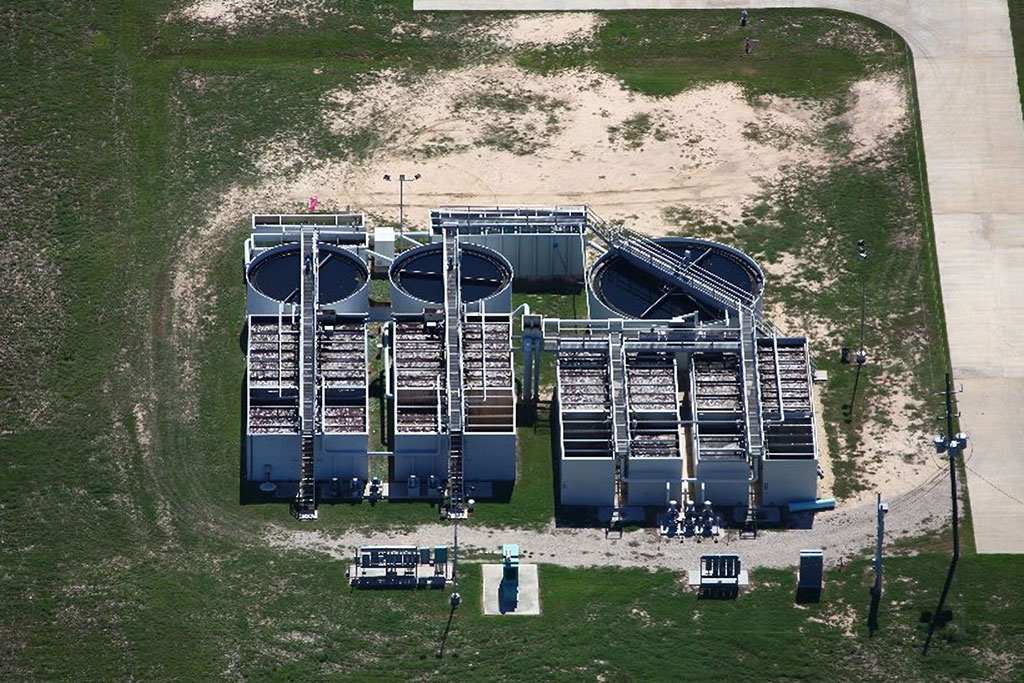
Smart monitoring systems in decentralized wastewater treatment plants can optimize sludge removal schedules, preventing overflows and emergency pickups.
One of the key benefits of modular systems is their flexibility. Sludge-holding modules can be strategically placed where they are most accessible, and additional modules can be added as needed to increase capacity. Sludge removal frequency can be optimized through the use of telemetry and smart monitoring systems, which alert operators when sludge levels are rising, preventing overflows or emergency pickups.
Decentralized systems also facilitate regional collaboration. Communities can pool resources and coordinate sludge hauling to a shared treatment center, reducing costs while ensuring compliance with regulations.
As decentralized wastewater treatment becomes increasingly vital for growing and remote communities, sludge management can no longer be an afterthought. Planners, developers, and municipal leaders must design and operate systems with sludge handling in mind—from day one.
By incorporating smart design, reliable logistics, and regulatory diligence, decentralized systems can remain clean, efficient, and compliant for the long term.
Image Credit: rangizzz/123RF
Dr. Amir Ghobadi is a water and wastewater process engineer with over a decade of experience. His expertise includes unit operations, primary, secondary, and tertiary treatment systems, with a focus on membrane filtration and membrane bioreactor (MBR) systems. Dr. Ghobadi holds a Ph.D. in Environmental Engineering and is a certified Professional Engineer. He has developed innovative treatment solutions for industrial and municipal applications, leveraging his deep technical knowledge and commitment to advancing water treatment technologies.