

How utilities can determine whether to rehabilitate, expand, or replace aging treatment infrastructure
An aging water or wastewater plant may still have many years of useful life left. Individual equipment failures or process weaknesses do not necessarily mean the entire facility needs to be replaced. Before making that assumption, utilities should assess performance at the equipment, process, and facility levels, including structural condition, treatment performance, reliability, compliance history, and remaining useful life.
A thorough condition and capacity assessment can reveal whether targeted rehabilitation, upgrades, or expansion can correct specific deficiencies without replacing the entire facility.
In This Article
Can the Existing Plant Meet Today’s Requirements?
Many older water and wastewater treatment systems were designed when populations were smaller, flows were lower, and water quality conditions differed from today’s. Population growth, urban expansion, changing source water quality, and more stringent regulatory requirements can strain infrastructure that was not designed for these conditions. Determining whether a facility can meet current needs starts with comparing actual flows and treatment loads with its design capacity and applicable permit limits. Utilities should also evaluate how raw water or influent quality has changed over time and how those changes could affect treatment performance.
Operators should review the facility’s compliance records, together with its maintenance and treatment performance history, to determine whether it consistently meets required water quality or effluent discharge standards and whether aging mechanical, electrical, or treatment components, or outdated process control systems are compromising reliability or treatment effectiveness. These assessments can help pinpoint the underlying causes of operational issues and determine whether targeted process or equipment upgrades will address the weaknesses or whether a more extensive plant upgrade will be needed to improve performance.
Can It Handle Tomorrow’s Capacity Demand?
An aging plant may be in good working condition and still meet today’s demand, yet population, development, or industrial growth can create capacity deficits that make it difficult to meet future needs. In these circumstances, expanding capacity may make the most sense.
When considering a capacity expansion, the first step is to determine how much space is available on the existing site and whether the current treatment processes will be able to accommodate the additional capacity. The next step is to determine how much additional capacity is needed immediately and how much is needed to accommodate projected growth. Phased expansion allows utilities to add the capacity they need now, while keeping the flexibility to expand further as demand increases, rather than building a large system immediately based on projected demand that may take years to materialize.
A capacity assessment should also consider whether targeted upgrades can improve treatment performance or increase capacity without replacing the entire facility. Upgrading existing equipment, optimizing treatment processes, or adding prefabricated or package treatment systems may help utilities accommodate future demand while making the most of their existing infrastructure.
Compare Rehabilitation With Replacement on More Than Construction Cost
When weighing whether to rehabilitate an existing plant or replace it with a new one, there are several factors to consider:
- Cost and Service Life: One of the key factors to consider is how much each option will cost and how long each is expected to last. If the cost of rehabilitation is only slightly lower but the expected service life is much less than that of a new facility that will provide reliable service for many years, replacement may be the more cost-effective option in the long term.
- Operating Costs: The long-term operating costs also need to be considered. How much will it cost to operate and maintain the infrastructure? How much energy does it consume? Does it require a team of qualified operators and maintenance personnel to ensure it performs optimally, and is this expertise readily available? A new or upgraded facility with more efficient equipment and controls may reduce energy consumption, maintenance requirements, and overall operating costs.
- Permitting and Construction Timelines: Depending on the project scope and jurisdiction, rehabilitating an existing plant may involve fewer permitting requirements than building a new one. However, changes to capacity, treatment, or discharges may require additional approvals or permit modifications. New construction may also involve lengthy approvals and extensive site work, which can affect project costs and timelines, especially when capacity is urgently needed.
- Maintaining Treatment Service: Existing plants must often remain operational throughout rehabilitation or replacement to ensure uninterrupted water or wastewater treatment. Temporary treatment or bypass systems may help maintain service during rehabilitation or replacement, where appropriate and properly designed.
- Value of Existing Assets: An existing site already has valuable assets, including land, established connections to water distribution or wastewater collection networks, and other existing treatment infrastructure. Retaining and reusing the assets that are already in place can simplify implementation and reduce costs, but the feasibility will depend on the available space, future expansion needs, and the condition and expected life of the existing infrastructure.
- Long-Term Viability: Rehabilitation may be a practical solution when the plant’s treatment processes remain suitable and its shortcomings can be addressed economically. However, repeatedly investing in equipment or upgrades may not make financial sense if the facility has fundamental limitations that make it unable to meet future requirements. In these cases, replacement may provide a more financially and operationally sustainable long-term solution, reducing the risk of continued spending on infrastructure that cannot deliver the required performance. If the utility no longer wants to own or operate the plant, a sale or ownership transition may also be worth evaluating.
Know When It’s Worth Saving, and When It Isn’t
When Rehabilitation Makes Sense: Rehabilitation is often a practical option when the plant’s core infrastructure remains structurally sound, its existing treatment processes are still suitable, and specific deficiencies can be corrected economically. Replacing worn equipment, upgrading controls, or improving individual treatment stages may restore performance and extend the facility’s service life without the cost and disruption of complete replacement.
When Replacement Makes More Sense: Replacement may be the more viable long-term option when several fundamental problems compound, such as significant structural deterioration, persistent compliance issues, insufficient treatment capacity, obsolete processes, or escalating operating and maintenance costs. If addressing these issues would require extensive investment without reliably meeting future requirements, a new facility may offer better long-term value.
Ultimately, the decision should be based on the utility’s long-term needs, projected demand, available budget, and operational constraints. Depending on the circumstances, the most practical solution may be to rehabilitate the existing plant, expand capacity, replace the facility, or explore alternative delivery and ownership models, such as Water-as-a-Service® (WaaS®). Under a WaaS® agreement, Seven Seas Water Group can acquire, improve, and operate municipal treatment infrastructure under a defined service agreement. For utilities considering a plant sale or ownership transition, learn more about our acquisition opportunities.
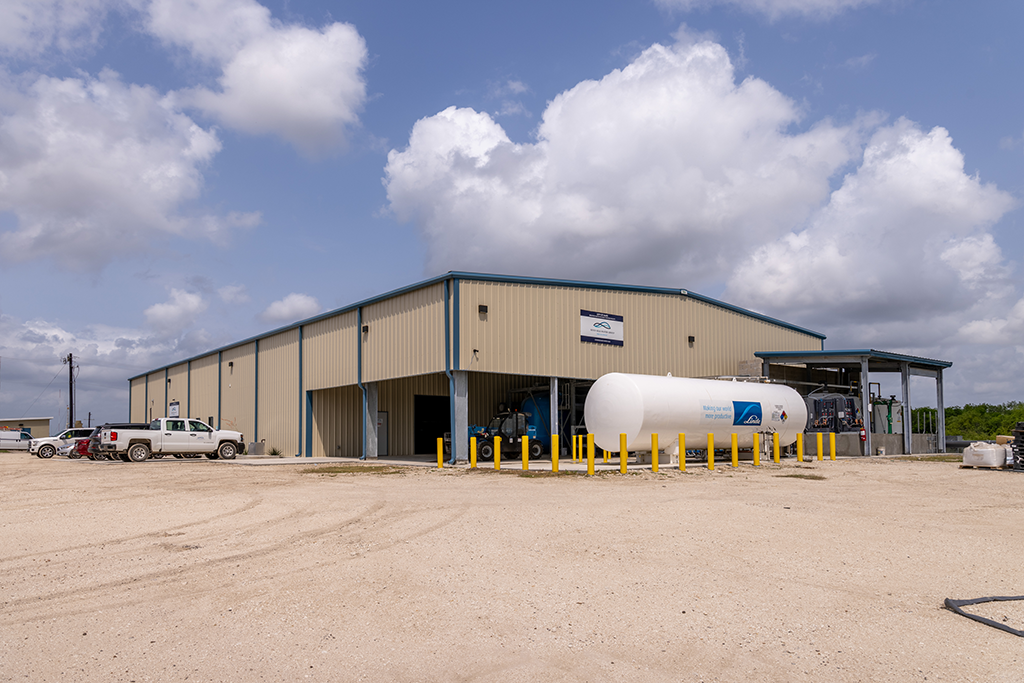
Alice’s expandable brackish-water treatment plant shows how phased capacity and alternative delivery can reduce the need to overbuild.
Case Study: The city of Alice, Texas, which needed to secure a more independent, drought-resilient water supply, wanted to tap into the brackish-water aquifers lying underground. A $5.5 million state revolving fund (SRF) loan supported the first phase of the project, which involved completing the source wells and pipelines. For the second phase, the city turned to Seven Seas, which provided a brackish water reverse osmosis desalination plant under a public-private partnership agreement and WaaS® delivery model. The plant was designed with an initial capacity of 2.7 million gallons per day, with expansion options as demand grows.
Make the Most of Your Existing Infrastructure
The real question is whether additional investment in the treatment system can reliably deliver the capacity, performance, and useful life the community needs.
Seven Seas can help utilities assess aging treatment infrastructure, identify practical upgrade and expansion opportunities, and determine the right path forward. Contact our team to discuss your plant’s needs and explore your options.
Image Credit: pixelsaway/123RF