

There’s one for every need, depending on source, size, and goals
Effective wastewater treatment is crucial for protecting the environment from pollution, preserving aquatic ecosystems, ensuring sustainable water management, and safeguarding public health by preventing the spread of disease and ensuring safe drinking water. Wastewater treatment plants remove contaminants from wastewater so that it can be safely discharged into the environment or made suitable for reuse.
There are several different types of wastewater treatment plants, each designed to accommodate various scales, sources of wastewater, and treatment goals. This guide provides an overview of the types of wastewater treatment plants, highlighting the latest technologies and design considerations to ensure efficient, compliant, and sustainable wastewater management.
Conventional Wastewater Treatment Plants

The activated sludge process is effective for treating high organic loads, offering efficiency, flexibility, and adaptability.
Conventional activated sludge treatment is a traditional, tried-and-tested method. These plants utilize physical, chemical, and biological processes to remove contaminants in stages, with each stage targeting different pollutants.
- Primary Treatment: The first stage targets large solids and particulate matter in the wastewater, which are screened out before secondary treatment in an aeration tank.
- Secondary Treatment: The wastewater is mixed with aerobic microorganisms that break down organic contaminants. The mixture then flows to a settling tank or clarifier where the biomass (activated sludge) settles out. A portion of the activated sludge is returned to the aeration tank to maintain high levels of active microorganisms for the next batch of wastewater.
- Tertiary Treatment: This stage typically involves advanced methods such as filtration to remove any remaining suspended solids, disinfection to eliminate pathogenic organisms, and biological or chemical treatment to remove nutrients like nitrogen and phosphorus, which can cause eutrophication in receiving waters.
This process is highly effective for treating high organic loads, offering exceptional efficiency, flexibility, and adaptability. Its robust performance makes it a popular choice for both municipal and industrial wastewater treatment applications.
Sequencing Batch Reactors (SBR) are an advanced and flexible type of activated sludge process for wastewater treatment. Unlike continuous flow systems, SBRs treat wastewater in batches, with each cycle consisting of five stages: fill, react, settle, decant, and idle. During the react phase, wastewater is mixed with activated sludge, and biological treatment occurs under carefully controlled conditions. Following the react phase, the mixture is allowed to settle, and the clear effluent is decanted, leaving the sludge behind for the next cycle. This batch process allows for precise control over reaction times and operational parameters, making SBRs highly effective at removing organic matter, nutrients, and solids from wastewater. Their modular nature, versatility, and ability to handle varying loads make them particularly suitable for municipal and industrial applications where space constraints and flexibility are important considerations. Additionally, SBRs can be easily adapted for nutrient removal and other advanced treatment processes, further enhancing their applicability in diverse wastewater treatment scenarios.
Advanced Wastewater Treatment Options
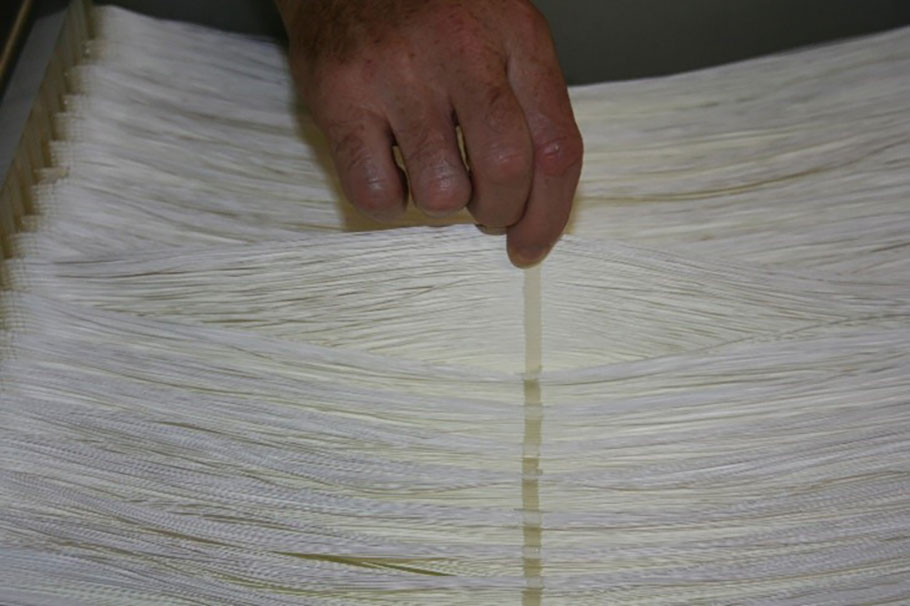
MBR membrane cassettes, usually made of hollow fibers or flat sheets, act as a barrier to separate clean water from mixed liquor, which contains microorganisms and suspended solids.
Advanced technologies surpass conventional methods to address more complex and stringent water quality requirements.
Membrane Bioreactors (MBR): MBR treatment combines biological treatment with membrane filtration to produce high-quality effluent. Similar to conventional activated sludge treatment, MBR uses microorganisms to break down organic contaminants in wastewater. However, instead of relying on a settling tank, MBR utilizes membrane filtration to separate the sludge from the treated wastewater. The small pores of the membranes effectively trap suspended solids, allowing only clean water to pass through.
MBR systems are highly efficient, producing effluent that meets stringent environmental regulations. The integration of biological treatment and membrane filtration within a single tank reduces the overall footprint compared to conventional activated sludge plants. This compact design makes MBR systems ideal for locations with space constraints. Furthermore, MBR systems offer several advantages, including improved effluent quality, greater operational flexibility, and the ability to handle variations in influent quality and flow. The membranes also provide a physical barrier to pathogens, enhancing the disinfection process and ensuring the production of safer, reusable water.
Advanced Oxidation Processes (AOPs): AOPs are sophisticated chemical procedures designed to eliminate both organic and inorganic contaminants from wastewater by generating highly reactive species, primarily hydroxyl radicals. These radicals can be capable of oxidizing a broad spectrum of pollutants, including persistent contaminants, often transforming them into harmless products like water and carbon dioxide.
AOPs find applications across various domains, including municipal wastewater treatment, industrial wastewater treatment, drinking water treatment, and groundwater remediation. Although AOPs can be more costly and complex than conventional methods, their ability to produce high-quality effluent and effectively address emerging contaminants makes them an invaluable tool in modern water and wastewater treatment. The superior efficacy of AOPs in degrading recalcitrant pollutants ensures compliance with stringent environmental regulations and enhances the safety and sustainability of treated water.
Dissolved Air Flotation (DAF) Systems: DAF systems are engineered to efficiently remove suspended solids, oils, greases, and other contaminants from wastewater. In a DAF system, air is dissolved into the wastewater under pressure and then released into a flotation tank, where it forms tiny bubbles that attach to the contaminants. These bubbles rise to the surface, carrying the contaminants with them, and form a layer of sludge that can be easily skimmed off. The clarified water is then discharged or directed for further treatment.
DAF systems are particularly effective for treating highly turbid waters and industrial effluents, making them ideal for applications in the food processing, petrochemical, and manufacturing industries. Their ability to handle high loads of suspended solids and other contaminants ensures that effluents are treated to meet stringent environmental standards. Additionally, the versatility and efficiency of DAF systems make them a preferred choice for industries seeking reliable and cost-effective wastewater treatment solutions.
Design Considerations for Wastewater Treatment Plants
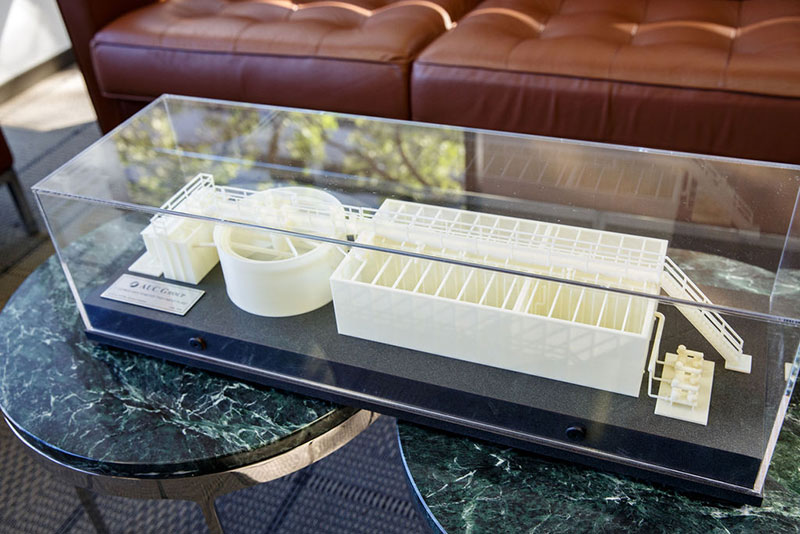
Designing an efficient and sustainable wastewater treatment plant requires careful consideration of wastewater characteristics, site-specific factors, regulatory requirements, and future capacity needs.
Designing a wastewater treatment plant requires careful consideration of various factors, including wastewater characteristics, site-specific conditions, regulatory requirements, treatment goals, capacity needs, infrastructure costs, and budget constraints. To ensure cost efficiency, it is crucial to factor in both current and future capacity requirements during the design process.
Decentralized wastewater treatment systems often offer greater flexibility, enabling easy scaling up to accommodate increased demands due to population growth or other factors. By meticulously addressing these considerations, engineers and planners can develop effective, efficient, and sustainable wastewater treatment facilities that meet regulatory standards and fulfill community needs well into the future.
Innovative Financing for Wastewater Solutions
Water-as-a-Service® (WaaS®) is a cost-effective solution for municipalities and industries with limited budgets. With a Seven Seas WaaS® contract, customers can access the treatment capacity and technology they require without any upfront capital expenditure.
Seven Seas designs, builds, and operates the plant on behalf of the customer. Customers pay only for the volume of wastewater treated. This wastewater treatment as a service approach helps cash-strapped municipalities and businesses overcome budget limitations for treatment infrastructure. Seven Seas’ team of water experts will manage all plant operations, implementing sustainability best practices to ensure compliance with regulatory and environmental standards. This allows municipal and business managers to focus on their core priorities without the burden of wastewater treatment.
There are numerous wastewater treatment technologies available, ranging from robust conventional activated sludge systems to advanced technologies such as MBR and AOP. Each type of plant features specific designs, processes, and applications to effectively manage and treat wastewater for safe discharge or reuse. Ultimately, the choice of plant type depends on factors such as the source and characteristics of the wastewater, the required level of treatment, available space, and budget.
Contact Seven Seas to discuss your unique wastewater treatment goals and we can customize a solution that fits your needs.
Image Credit: gyn9037/123rf

Dr. Amir Ghobadi is a water and wastewater process engineer with over a decade of experience. His expertise includes unit operations, primary, secondary, and tertiary treatment systems, with a focus on membrane filtration and membrane bioreactor (MBR) systems. Dr. Ghobadi holds a Ph.D. in Environmental Engineering and is a certified Professional Engineer. He has developed innovative treatment solutions for industrial and municipal applications, leveraging his deep technical knowledge and commitment to advancing water treatment technologies.