
Wastewater treatment with advanced technologies makes it simple
As we celebrate Water Week, which focuses on policy and compliance, we explore how industries can manage nutrient levels in runoff and wastewater effluent to prevent water pollution and comply with more stringent water quality regulations
Nutrients such as nitrogen and phosphorus are essential for plant growth, but they can have a disastrous impact on aquatic systems. They can lead to algal blooms, hypoxia, and degradation of those ecosystems that can harm environmental, human, and economic health.
Nutrients enter waterways from various sources. They include stormwater runoff with animal waste, fertilizers, and detergents from agricultural and domestic sources, as well as wastewater effluent discharges from domestic, industrial, and agricultural sources.
Environmental and Economic Impacts of Nutrient Pollution
Effective nutrient management policies are essential to protect aquatic systems and freshwater sources from nutrient pollution, ensuring the health of the ecosystems and the wildlife and communities that depend on them for food and drinking water.
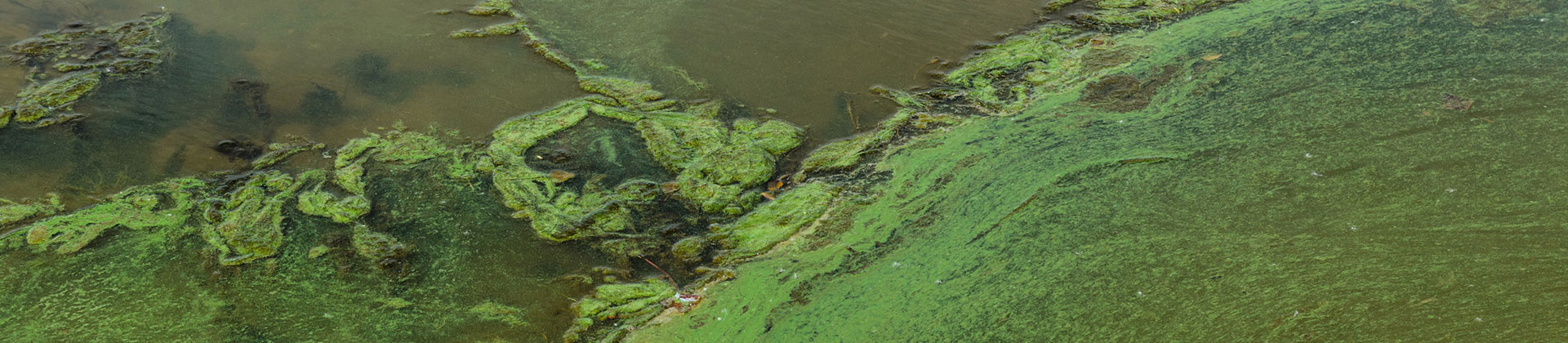
Nutrient pollution can fuel algal growth, which can lead to eutrophication of waterways or toxic algal blooms. Once all the available nutrients are depleted, the algal cells die, stripping oxygen from the water as they decay. This can lead to hypoxic conditions that can’t support life, resulting in a loss of biodiversity.
Some species of algae, such as cyanobacteria (blue-green algae), produce toxins that can harm fish, wildlife, and people. People and their pets can be exposed to toxins from harmful algal blooms (HABs) by ingesting contaminated water while swimming, drinking affected water, or consuming fish or shellfish that have absorbed cyanotoxins.
Key Components of Nutrient Management Policies
Nutrient pollution in waterways can have a significant economic impact. Toxins can kill fish and shellfish, affecting fisheries and aquaculture industries and people who rely on these industries for their livelihoods. Eutrophication and HABs can also restrict recreation in waterways, hurting tourism and leading to a loss of revenue. Drinking water contaminated by HABs requires additional treatment measures to ensure its safety, and that can be costly.
Because prevention is better than cure, it makes more sense to prevent nutrients from getting into freshwater sources in the first place rather than dealing with the consequences.
Effective nutrient management policies require strategies that prevent nutrients from entering the waterways through runoff or wastewater discharges. Best management practices (BMPs) are site-specific guidelines that can be implemented to control nutrient pollution.
For example, to prevent agricultural nutrient runoff, farmers can follow the four Rs of nutrient management BMPs when applying fertilizers: the right rate, the right timing, the right source, and the right placement. Farmers can also implement measures such as planting cover crops and leaving buffer strips between agricultural land and water sources to control erosion, as well as erecting livestock exclusion fencing around water bodies to reduce erosion and prevent manure from being deposited.
Advanced Wastewater Treatment Technologies Are Available
In urban settings, where stormwater is a concern, BMPs can include green infrastructure such as rain gardens and permeable pavements that manage and filter runoff before it flows into local water systems.

Conventional activated sludge systems are a key technology used by Seven Seas to significantly reduce nutrient concentrations in wastewater effluent.
Advanced wastewater treatment technologies also play a vital role in nutrient reduction. Seven Seas Water Group uses conventional activated sludge and membrane bioreactor systems to significantly lower nutrient concentration in treated effluent. These systems can incorporate biological nutrient removal by using microorganisms that break down nitrates and phosphates into harmless byproducts, ensuring that discharged water meets or exceeds environmental standards.
Additionally, monitoring and assessment are critical components of any effective policy. Regular water quality testing helps evaluate the success of policies and practices, while modeling and data analysis can help identify pollution sources and provide insight into long-term nutrient trends. According to Seven Seas lead engineer Hugo Salinas:
“Data is the foundation of effective design and implementation. Continuous monitoring of real-time nitrogen and phosphorus levels are vital for ensuring our nutrient management strategies are truly safeguarding our waterways.”
Together, these tools create a robust framework for managing nutrient loads and protecting water resources.
Financing Nutrient Management Goals
To combat nutrient pollution in waterways, policymakers are increasingly introducing stricter standards for wastewater. As a result, many wastewater treatment facilities are having to upgrade their infrastructure to comply.
For cash-strapped municipalities and industries, the challenge of finding the capital to do this can be daunting. Seven Seas’ Water-as-a-Service® financing model alleviates this headache, providing wastewater treatment services with no upfront capital investment required. This approach removes financial barriers for municipalities and industries wishing to implement nutrient strategies, providing access to advanced wastewater treatment technologies with no upfront cost. Instead, they pay a fixed monthly fee based on the volume of water treated, making it easy to remain compliant with a limited budget.
A continued commitment to developing and enforcing nutrient management policies that protect aquatic ecosystems, public health, and drinking water supplies is essential. Contact Seven Seas to learn more about our nutrient removal technologies and how our Water-as-a-Service® approach can provide access to affordable, modern wastewater treatment services.
Image Credit: igorbondarenko/123RF
Hugo Salinas is the Project Manager of Design at Seven Seas Water Group. He oversees the internal design team in preparing engineering drawings and specifications for wastewater treatment plants during the preliminary and submittal phases. He is responsible for process design, technical specifications, design reports, bid proposals, and regulatory compliance, making him an invaluable asset to the company.