

Another source of water eases stress on aquifers
Every day, about 82.3 billion gallons of fresh groundwater are pumped across the United States to support homes, industries, farms, and power stations. This crucial resource supplies drinking water to nearly half the population and is vital to maintaining healthy ecosystems and supporting biodiversity.
However, overuse of groundwater is pushing many aquifers to the brink. It’s depleting these reserves faster than they can naturally recharge, leading to dire consequences such as land subsidence, saltwater intrusion, and ecological damage. A recent study found that groundwater levels have dropped in 71% of the world’s aquifers, and in many places, the rate of depletion is accelerating.
National Groundwater Awareness Week, March 9-15, is a timely reminder of the need for responsible groundwater management. As communities grapple with increasing water demand and dwindling supplies, desalination emerges as a sustainable solution that can alleviate groundwater stress. By transforming seawater and brackish water into a reliable freshwater source, desalination is a viable alternative to enhance water security.
In This Article
Groundwater Overuse and Its Consequences
Population growth, agricultural expansion, and industrial activities are the primary drivers of groundwater depletion. As urban centers grow and food production intensifies, demand for water escalates. In many regions, particularly arid and semi-arid areas, groundwater is the main — sometimes only — source of water, worsening the strain on aquifers.
When groundwater is extracted faster than it is being replenished, it can lead to a drop in the water table, making it increasingly difficult and costly to access groundwater. In coastal areas, overuse of groundwater creates a void that allows seawater to infiltrate freshwater aquifers, resulting in brackish water that is undrinkable without treatment. When this underground void is not filled, there can be land subsidence, which can damage infrastructure and increase the risk of flooding, particularly in coastal areas that are vulnerable to sea level rise.
Additionally, as many wetlands, rivers, and lakes depend on groundwater inflow, overuse of groundwater can disrupt these ecosystems, threatening biodiversity and water quality. Several communities are already experiencing these issues. For example, California’s Central Valley has suffered significant land subsidence because of excessive groundwater pumping for agriculture, while Florida faces escalating saltwater intrusion in its coastal aquifers.
Desalination as a Sustainable Solution
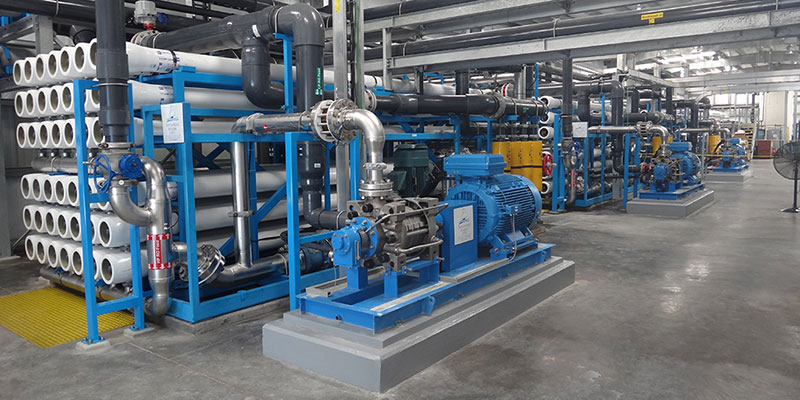
The core of desalination: a reverse osmosis unit filtering salt and impurities from water.
Desalination removes salts and impurities from seawater or brackish water to produce fresh, potable water. The most common method of desalination is reverse osmosis (RO), where water is forced through semi-permeable membranes that filter out salt and contaminants while allowing water molecules to pass through.
Seawater and brackish water desalination reduce dependence on groundwater by providing a reliable and sustainable alternative freshwater supply. By supplementing municipal and industrial water needs, desalination helps prevent groundwater overuse and allows depleted aquifers to recover.
Advances in desalination technology have made it more viable and sustainable than ever. For example, energy recovery devices can help lower power consumption and associated costs, while innovations in brine management and eco-friendly intake systems help protect the environment and marine life.
While the up-front capital investment and ongoing operational and maintenance expenses for desalination can be high, this can be overcome with financing structures such as Seven Seas Water Group’s Water-as-a-Service® (WaaS®), which requires no up-front capital and includes all operational and maintenance costs for a fixed monthly fee based on the volume of water supplied. Creative financing mechanisms are making desalination more affordable and accessible for communities of all sizes.
While coastal regions are natural candidates for seawater desalination, inland areas can benefit by treating brackish groundwater or surface water. This approach is particularly valuable in drought-prone states like Texas and Arizona, where brackish water sources offer an untapped opportunity.
Benefits of Desalination for Groundwater Sustainability
Desalination can protect groundwater resources while delivering a range of environmental, economic, and social benefits.
- Environmental benefits: By providing an alternative water source, desalination reduces the strain on aquifers, allowing them to recharge naturally and helping restore the delicate balance of water cycles that sustain wetlands, rivers, and biodiversity. In coastal areas, it can prevent saltwater intrusion that degrades freshwater supplies.
- Economic benefits: Desalination ensures a stable and predictable water supply for communities and industries, reducing dependence on increasingly unpredictable groundwater reserves. This lowers the costs of drilling deeper wells or remediating depleted aquifers. Its reliability ensures that industries and municipalities have a secure source of water even in times of drought.
- Social benefits: Desalination builds resilience to water scarcity by diversifying sources, making communities less vulnerable to droughts and climate change. Furthermore, access to clean, desalinated water protects public health by reducing the risks posed by contaminated groundwater.
As water challenges intensify and scarcity becomes an increasing global concern, desalination offers a sustainable strategy to ensure water security for large and small communities.
Seven Seas’s Role and Expertise
Seven Seas is a leader in sustainable water solutions, bringing decades of expertise in desalination and advanced water treatment to communities and industries worldwide. Our team specializes in delivering high-quality, cost-effective water through time-tested technologies that support groundwater sustainability. With a proven record of successful projects, Seven Seas has implemented desalination and brackish water treatment systems that reduce reliance on overdrawn aquifers, preserving critical resources.
Our commitment to sustainability is evident in our energy-efficient designs and environmentally responsible practices, which minimize ecological impact while maximizing water availability. The energy recovery systems in our desalination plants save up to 60% of energy, reducing carbon emissions significantly. Our raw seawater intake systems are carefully designed to protect marine life, such as endangered turtles.
Flexible Solutions to Solve Access Challenges
Seven Seas’ innovative Water-as-a-Service® model provides communities with a reliable water supply without the financial burden of building and maintaining infrastructure. This approach eliminates the need for capital investment and operational management. By offering long-term, flexible solutions, Seven Seas empowers municipalities and industries to secure sustainable water sources, ensuring resilience.
Let’s recognize the value of groundwater and invest in solutions that protect this resource. Contact Seven Seas to learn more about our seawater and brackish water desalination technologies and the innovative financing solutions that make these technologies more accessible.