
Resilient, smarter systems can redefine how we manage wastewater
In a changing world, one thing that remains constant is that every community, no matter how advanced or remote, deserves safe sanitation to protect health, dignity, and the environment. This year on November 19, the United Nations’ World Toilet Day is shining a spotlight on “future-ready toilets” — that is, sanitation systems that are accessible, climate-resilient, and built to serve everyone, everywhere.
Modern sanitation isn’t just about toilets. It’s about adaptable wastewater infrastructure that keeps communities healthy, safe, and sustainable, no matter what the future brings.
As a provider of decentralized wastewater treatment systems, Seven Seas Water Group works with communities facing these pressures every day—helping them replace aging infrastructure with solutions built for resilience, efficiency, and long-term growth.
Sanitation in a Changing World
The world is transforming faster than ever. The global population is growing at a phenomenal rate, rising from 1 billion people in 1800 to more than 8 billion in 2025. At the same time, cities are expanding, and climate change is testing the limits of the infrastructure we rely on daily. Amid all this change, our need for safe sanitation never goes away.
Despite considerable advances in technology, billions of people worldwide still lack access to adequate sanitation, and in many communities that do have sanitation systems, new threats are emerging. Droughts, floods, and rising temperatures are putting pressure on aging infrastructure, while rapid urbanization is stretching existing systems to the breaking point.
To protect environmental and human health, we must rethink what sanitation infrastructure looks like beneath the surface, and design “future-ready toilets” that can expand with population growth and help build resilience to climate extremes.
The Hidden Infrastructure Behind Every Toilet
While a toilet offers a user a level of comfort and privacy, it is only as reliable as the wastewater system behind it. When you flush the toilet, wastewater travels through an invisible network of pipes before reaching a wastewater treatment plant, sometimes located many miles away. When there’s a failure of any of the network’s infrastructure — pipes, pumps, or treatment systems — it may lead to service disruptions that can affect entire communities, whether the cause is inadequacy, overuse, flooding, or disrepair.
Aging, centralized wastewater systems are especially vulnerable to the combined pressures of population growth and climate change. Built decades ago for smaller populations and milder weather, many older systems struggle to cope with today’s challenges.
Combined sewer systems, where stormwater and wastewater flow through the same pipes, can be overwhelmed during heavier rainfalls, leading to contamination and overflows. At the same time, extended droughts reduce the availability of water needed for flushing, and suburban expansion often outpaces the reach of municipal utilities.
When sanitation infrastructure falters, the stakes are high and can have a ripple effect throughout the broader community. Unsafe wastewater management can threaten water quality and contaminate drinking water supplies, halt housing development and business growth, and jeopardize public health. Flexible, future-ready sanitation systems that are adaptable to evolving conditions can help communities build resilience and thrive in a less predictable world.
Building Future-Ready Systems
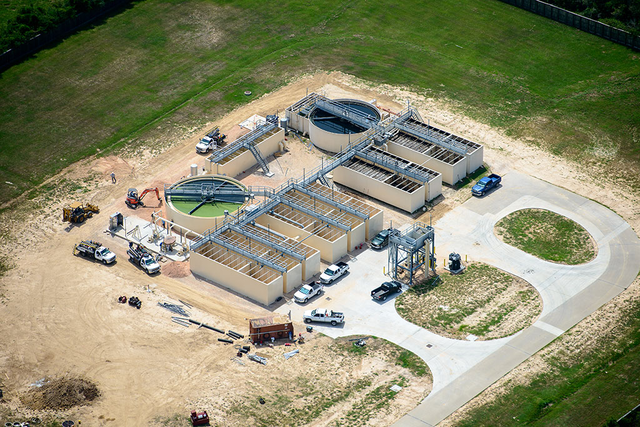
Modular, decentralized treatment systems can be deployed quickly, expanded in phases, and placed close to the source—making them ideal for fast-growing communities and areas underserved by traditional infrastructure.
So, what does future-ready sanitation actually look like? Some of the key characteristics of future-ready sanitation systems include:
- Accessibility: Sanitation services must be able to reach underserved, rural, or rapidly developing areas that traditional infrastructure can’t yet serve.
- Adaptability: Service must be built on modular, scalable systems that can be easily expanded as populations grow or shift.
- Resilience: Systems must be designed to withstand and perform under the pressures of climate extremes, and meet tighter regulatory standards.
To build systems that can evolve with demand, withstand climate stresses, and stay financially accessible, more communities are turning to decentralized and modular treatment solutions.
Unlike conventional centralized plants, these compact systems can be installed close to where wastewater is generated — reducing pipeline costs and eliminating long construction timelines. They can be deployed in months instead of years, expanded in phases as populations grow, and delivered through flexible financing models such as leasing or Water-as-a-Service® (WaaS®), which remove upfront capital barriers and ensure long-term operational reliability.
Many modern systems are data-driven, using sensors and remote monitoring to track performance, optimize energy use, and predict maintenance needs.
They can also be designed to enable water reuse, producing high-quality effluent suitable for nonpotable applications such as irrigation, cooling, and industrial processes — in other words, turning wastewater into a valuable resource. This reduces pressure on local supplies of fresh water, enhancing sustainability and building resilience to drought.
The Path Forward
Investing in modern sanitation is an investment in health, dignity, and resilience, with every flush connecting to a system that protects communities from disease, safeguards water quality, and supports sustainable development.
To build this future, municipalities, developers, and engineers must plan proactively, embracing modular, service-based, and data-informed systems that keep pace with change and evolve alongside the communities they serve.
In our rapidly changing world, it’s worth remembering that some needs never change. Future-ready sanitation requires systems that can scale with growth, perform under climate pressure, and meet tightening regulations—all without years of delays or major capital outlays. Contact Seven Seas to get expert guidance on modular wastewater solutions built for growth, resilience, and regulatory certainty.
Image Credit: roshchyn/123RF.
Leslie May is the Senior Marketing Manager for both AUC Group and Seven Seas Water Group. She joined the company in 2017 after serving in various marketing roles in the oil and gas industry. Mrs. May is responsible for creating and implementing marketing strategies, developing sales copy, liaising with company stakeholders, planning events, and managing the website and social media activity. She ensures brand consistency and promotes the company and its services, targeting the correct and appropriate audiences. Mrs. May graduated from the University of Texas at Austin with a Bachelor of Science degree in Communication Studies.