

Smart planning, flexible modular design, and early coordination are key
As communities grow, so does the need for wastewater treatment capacity. The planning process often raises questions for developers: how much land to allocate, when to bring in a treatment partner, and whether a single facility can support multiple phases.
We’ll describe the space requirements for decentralized wastewater treatment plants and explain why smart planning and early coordination can mean the difference between a smooth project and costly delays.
Why Early Site Planning Matters
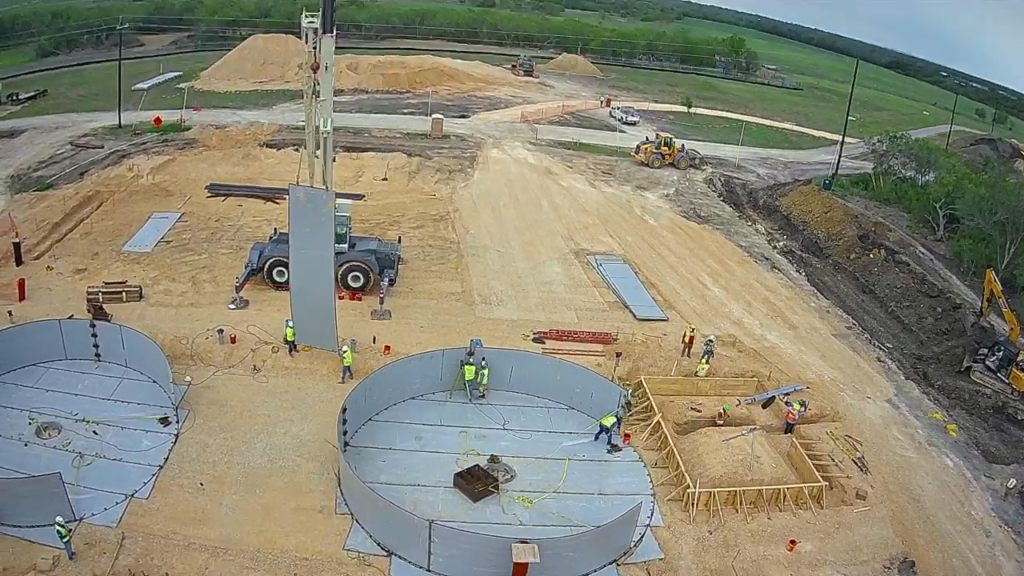
Early site planning ensures the wastewater plant fits the land, complies with buffer requirements, and leaves room for future expansion.
When developers start mapping out a new community or commercial project, the focus is often on roads, lots, drainage, and amenities. But one of the most critical components of any new development, wastewater treatment, should also be considered early. The amount of space available can shape plant design, influence the required buffer zones, and affect everything from lot orientation to utility connections.
A common mistake is bringing in the wastewater treatment partner too late. By the time the team is contacted, engineering specifications may already be finalized or out to bid, limiting opportunities to optimize the site layout, reduce costs, or adjust technology selections.
Early involvement, ideally when land is first acquired, allows the treatment partner to optimize the plant for the site and help define the specifications. We can recommend the most economical layout, identify permitting considerations, and ensure that the plant has adequate space not just to meet current needs, but for expansion as the community grows.
This is especially important for rapid development. With residential and commercial projects pushing farther outward, existing utilities often can’t keep up, driving demand for new, decentralized wastewater treatment plants. These systems often start small, but to avoid becoming overburdened themselves, they need to have the flexibility to scale with growth.
Typical Space Requirements for Decentralized Plants
How much space is needed for a wastewater treatment plant? For most modular decentralized facilities, a good rule of thumb is two acres. This provides enough room for plant equipment, access roads, and any future expansion.
Developers should also plan for a 150-foot buffer zone between the facility and nearby residences. This helps with safety and odor control and is an important planning consideration.
It’s important to note that these are ballpark estimates. The footprint often depends on factors such as design flow requirements, treatment technology used, topography and other site constraints, and space for growth.
Because package plants allow flexible positioning and phased expansion, they are particularly useful for sites with limited space. Rather than building a large facility, treatment modules and tanks can be positioned in a way that best fits the available area, while allowing for expansion without major disruption.
Shared and Scalable Solutions for Growth

Modular treatment systems can expand in phases, allowing a single facility to serve multiple developers or project stages as new homes and commercial buildings come online.
A common question is: Can multiple developers use the same wastewater treatment facility?
The answer is yes, and in many cases, this is a smart approach. Multiple property owners or developers can share a single decentralized facility if capacity planning is done correctly and agreements are in place. This arrangement can lower costs, simplify long-term operations, and reduce the number of treatment facilities needed in a region.
Because modular systems can be easily scaled, the facility can expand as homes or commercial buildings are added. Adding capacity simply means incorporating more modules or tanks. This flexibility is one of the key benefits of decentralized systems. With proper coordination between developers, engineers, and operators, shared facilities can support phased development over many years.
Planning for Long-Term Efficiency and Compliance
Good planning doesn’t end with selecting a site or estimating the size of the footprint. Reliable long-term operation and regulatory compliance depend on making thoughtful decisions early, decisions that are easier when a wastewater treatment partner is involved from the beginning.
Seven Seas provides a range of services to support developers and streamline project delivery, including:
- Siting guidance and design specifications
- Modular and scalable plant layouts
- Flexible financing, including through its Lease Plant Program and Water-as-a-Service offering
- Operational expertise for long-term performance
Wastewater treatment isn’t the most glamorous part of a development project, but it is one of the most essential. Understanding how much land you need and involving the right partner at the right time can save months of delays and thousands in costs.
With careful planning and modular technology, communities can meet growth demands efficiently without oversizing or overspending.
Have a project coming up? Talk with our experts about site planning, space requirements, and modular options that keep development on schedule.