

Stricter rules will require more from water systems
A flood of new water treatment regulations has come out of the pipe from the United States Environmental Protection Agency (EPA). Here’s how they could affect utilities, agencies, municipalities, and the electric power generation sector.
Per- and polyfluoroalkyl substances, better known as PFAS, have generated a buzz in the water sector for the past few years. How dangerous are these “forever chemicals” and how broadly will they be regulated? A great deal of uncertainty has been put to rest with a new set of legally enforceable PFAS standards recently released by the EPA.
Water systems now must treat five types of “GenX chemicals,” PFOA, PFOS, PFNA, PFHxS, and HFPO-DA, that encompass 12,000 individual chemicals. The new rules also establish a limit for mixtures of any two or more. These synthetic chemicals help products repel water and oil and they persist in the environment and living organisms, causing numerous health problems such as cancer, thyroid disease, reproductive problems, organ damage, and more. Testing reveals they are present in the bloodstreams of almost 97% of Americans, and probably are more dangerous than previous warnings estimated.
No Safe Level of Exposure
Maximum contaminant levels of PFOA and PFOS have been set at 4 parts per trillion to reduce exposure in drinking water to the lowest feasible levels, but the health-based goal is set at zero. Senior administration officials said the latest research shows there is no safe level of exposure.
While the EPA has not mandated specific treatment technologies, it has assessed the best available options. The agency found that anion exchange is affordable for all system sizes. Granular-activated carbon will serve well for most systems. EPA also recommended reverse osmosis and nanofiltration for systems serving 3,301 to 10,000 people.
Utilities will need extra time to comply, so the EPA has extended the deadline to 2029, five years after the June 25, 2024, effective date of the rule.
Lead Action Plan 2024 and Pipe Replacement
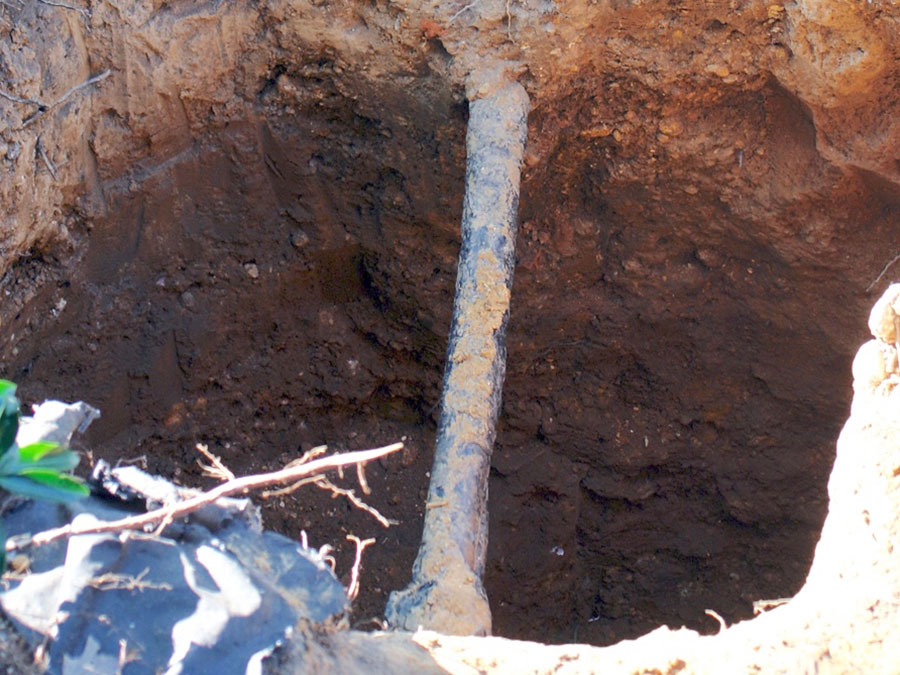
The new lead rule mandates that water systems notify the public if lead levels exceed the limit and inform ratepayers on ways to avoid exposure.
In an October visit to Wisconsin, President Joe Biden announced an aggressive 10-year EPA deadline for American cities to replace 100% of their lead pipes. The official guidance says that as with PFAS, there is no safe level of lead in drinking water. Lead is a neurotoxic metal that causes developmental delays and lower IQs in children as well as hypertension and other serious health problems in adults.
The new rule will be the most significant update to lead regulations in almost three decades, perhaps preventing up to 900,000 cases of low infant birth weight and lowering the annual rate of premature death from heart disease by 1,500.
The clock on the compliance period will not start ticking for three years, though, so water utilities will have around 13 years to get ready for the stricter framework. The EPA may give cities with more extensive lead pipe networks additional time to comply.
The new lead rule lowers the action level from 15 parts per billion to 10 parts per billion, and water systems must notify the public if lead levels exceed the limit and inform ratepayers on ways to avoid exposure, such as home water filters. The updated law also alters how lead levels will be measured, which could cause a spike in the number of water systems that record unsafe lead levels.
The State of Bipartisan Infrastructure Law Allocations
The Bipartisan Infrastructure Law is the largest water investment in American history, allocating $50 billion for essential water, wastewater, and stormwater infrastructure upgrades. Approximately 85% of it gets distributed through the State Revolving Funds (SRFs). Some $43 billion of the funding will come through the Clean Water and Drinking Water SRFs. States have access to five funding streams:
- Clean Water SRF General Supplemental funding
- Clean Water SRF Emerging Contaminants funding
- Drinking Water SRF General Supplemental funding
- Drinking Water SRF Emerging Contaminants funding
- Drinking Water SRF Lead Service Line Replacement funding.
States manage funds differently, so allocation may vary by state and funding categories. The EPA maintains updated tables to estimate where water funding stands for the individual states.
While it can be difficult to snapshot progress with allocations spread over fiscal years, states, tribes, and territories, it is progressing dynamically. For instance, the Pennsylvania Infrastructure Investment Authority recently announced a $218.8 million investment in 33 drinking water, wastewater, stormwater, and nonpoint source projects in 21 counties. The Environmental Facilities Corporation Board of Directors in New York has announced $665 million for clean water infrastructure, including emerging contaminant treatment technologies and sewer projects. South Pekin, a village in Illinois with only 973 citizens, will receive $12 million to replace water mains to ensure safe drinking water.
Steam Electric Power Generating Effluent Guidelines

The EPA has updated regulations for wastewater discharges from US power plants.
The EPA has just amended the Steam Electric Power Generating Effluent Guidelines and Standards covering wastewater discharges from the 913 fossil fuel and nuclear power plants operating as utilities in the U.S. The regulations have been incorporated into permits for the National Pollutant Discharge Elimination System.
This year, the EPA strengthened discharge limits for three types of wastewaters generated at coal-fired power plants: flue gas desulfurization wastewater, bottom ash transport water, and combustion residual leachate, as well as legacy wastewater. They reduce discharges of:
- Bioaccumulative pollutants such as selenium, mercury, arsenic, and nickel
- Halogen compounds such as bromide, chloride, and iodide
- Nutrients such as nitrogen and phosphorus
- Total dissolved solids.
The EPA maintained a 2020 provision that made power plants eligible for less stringent wastewater pollution limits if they stop burning coal by 2028.
The changes are expected to reduce morbidity, mortality, and cancer rates while raising IQ in children and improving water quality. Environmental benefits include improved habitat for fresh and saltwater plants, invertebrates, fish, amphibians, and other wildlife that rely on aquatic organisms.
This law establishes a zero discharge of pollutants rule for flue gas desulfurization wastewater, bottom ash transport water, and combustion residual leachate, also setting up numeric discharge limitations for mercury and arsenic for leachate discharged through groundwater. Finally, discharge limits are established for legacy wastewater discharged from some surface impoundments. The regulation also eliminates softer requirements for two high-flow facilities and low-utilization energy-generating units.
Final Rule Allows for Flexibility
The final rule creates flexibility for implementation when appropriate, such as for plants that are closing or switching to greener, less-polluting fuels like natural gas. The EPA estimates that the final rule will reduce wastewater pollution from coal-fired power plants by more than 660 million pounds annually, creating many direct benefits that will cost the average ratepayer about $3.50 per year.
The regulation also includes new provisions to improve transparency, mandating that plants publicly post information on discharges and wastewater treatment systems used.
Don’t navigate these complex regulations alone. Seven Seas Water Group has extensive experience in water treatment solutions that meet the latest EPA standards. Contact our water treatment professionals for a free consultation and discuss how we can help your system achieve compliance and deliver safe, clean water to your community.
Image Credit: phanuwatnandee/123RF