
An ambitious septic-to-sewer conversion effort is underway in Florida, but is there a better way to proceed?
Florida is racing to replace septic tanks with sewer service, and the stakes have never been higher for freshwater aquifers and aquatic ecosystems.
Because of Florida’s sandy soils and porous limestone, septic tanks often leak, introducing nitrogen and phosphorus into groundwater and feeding algal blooms that suffocate waterways and threaten aquifers, as well as lakes and estuaries. This can drag down property values, lead to beach closures, drive away tourism, and suppress the economy.
Impact of Failing Septic Systems
For years, many assumed that agriculture was the main source of nutrient pollution. But then scientists began using sucralose, an artificial sweetener that passes unchanged through the human system, as a tracer. The result? Nutrient loads matched human wastewater pathways, indicating failing septic systems as a major culprit in coastal eutrophication.
In the Indian River Lagoon, seagrass loss from nutrient pollution even starved manatees — a vivid example of ecosystem collapse.
The problem does not stop at manatees. Leaking septic systems also threaten the Floridan Aquifer, Florida’s primary source of drinking water, with nitrate and pathogen contamination. Meanwhile, coastal algal blooms kill fish, shut down springs, and drag down tourism.
The financial fallout can be devastating, with rising health risks and even bans on new septic systems in sensitive zones.
Policy Momentum and Deadlines
Florida has moved from debate to mandate. In Indian River County, officials are racing to eliminate septic systems by 2030, under a mandate with a $500 million price tag. In Orange County, leaders just marked a milestone of 500 home septic-to-sewer conversions in one neighborhood, part of a larger effort to shift nearly 2,000 by the project’s end. State legislation passed in 2025 is now accelerating statewide deadlines and mandating cost-effective alternatives.
But running sewer lines is not easy or inexpensive. Traditional sewer expansion requires massive capital outlay, multi-year permitting, and disruptive construction. To cover longer distances, counties must build pumping stations, install large-diameter pipes, and plan for decades of energy use and maintenance. Over time, those pipes leak, raising non-revenue water costs and forcing expensive repairs.
Even when projects advance, homeowners face steep connection fees and the expense of abandoning their septic tanks. Smaller counties, with limited budgets, often can’t fund projects of this magnitude. The result is a system where delays are inevitable and many communities risk falling behind.
Decentralized Wastewater Treatment as an Alternative
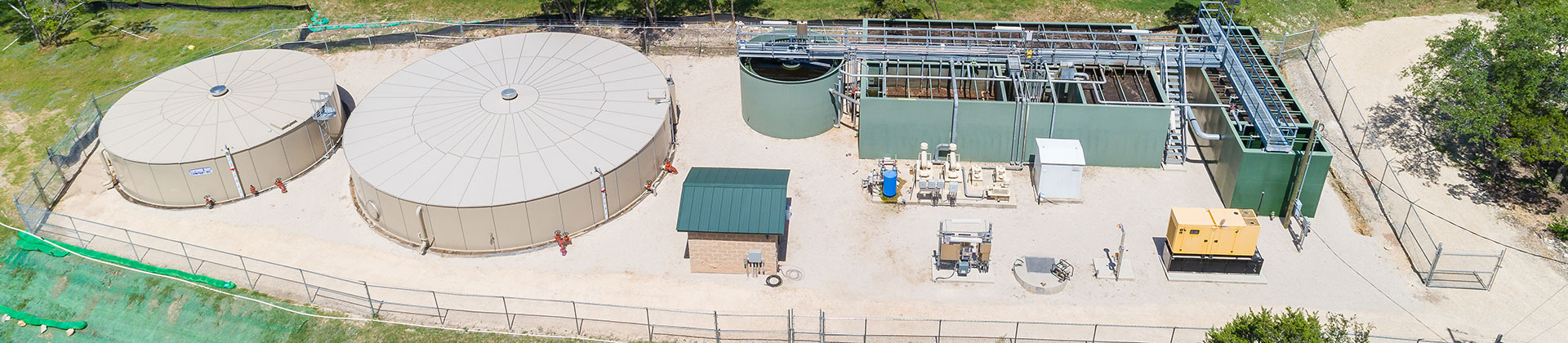
Florida communities now have options beyond digging up backyards to install large, underground septic tank replacements and the long, slow process of connection to a distant utility. Seven Seas delivers above-ground, modular plants that can serve individual communities. These on-site, decentralized systems install swiftly, require minimal disruption, and scale easily as neighborhoods expand. They also meet or exceed state and federal nutrient-removal standards, eliminating phosphorus and nitrogen to prevent aquifer contamination and algae blooms. For counties under mandate, modular treatment presents a fast, effective, flexible, and less disruptive option that can serve on an interim or permanent basis.
Leasing for Flexible Financing
Upfront costs can stall even the best solutions, so Seven Seas offers its Lease Plant Program, which leases modular plants with no upfront capital expenditure and offers industry-leading plant availability. Seven Seas’ timeline-based leases keep options open, with phased installation strategies that scale treatment to match growth. Communities can choose to manage system operations themselves, use a third party, or opt for full-service operations and management with Seven Seas.
Leasing a plant can mean immediate compliance without unmanageable upfront expense. Customers can also choose to transition Seven Seas leases into long-term Water-as-a-Service® (WaaS®) partnerships that grow with them through the decades. Today, decision-makers never have to double down on long term projections and pay upfront for a hard-to-scale legacy-style system. Seven Seas leases mean options every step of the way.
In situations similar to Indian River County’s — in which taxpayers face a long, disruptive, half-billion-dollar septic-to-sewer journey — leased modular plants can deliver compliance quickly without staggering upfront costs.
A Faster Path to Florida’s Wastewater Treatment Resilience
Septic-to-sewer conversion is urgent and unavoidable in many regions, so waiting for a traditional utility connection is not an option. Contact Seven Seas to explore scalable plants that deliver compliance faster, protect aquifers, and keep options open.