

Water-as-a-Service® gives small utilities a faster, smarter path to water and wastewater treatment compliance without the financial strain
Small water and wastewater utilities face the same regulatory standards as major cities—but without the staff, funding, or modern infrastructure to meet them. PFAS limits, nutrient removal rules, and tightening groundwater protections are arriving faster than small systems can upgrade. Many plants built decades ago simply weren’t designed for today’s treatment requirements.
Seven Seas Water Group’s Water-as-a-Service® (WaaS®) offers a practical, low-risk solution to this challenge, helping small utilities stay compliant without hiring additional staff or funding major capital projects.
For many small utilities, staying ahead of changing regulations is becoming increasingly difficult, even when day-to-day operations are well managed.
Why Compliance Is Becoming Harder—and More Urgent
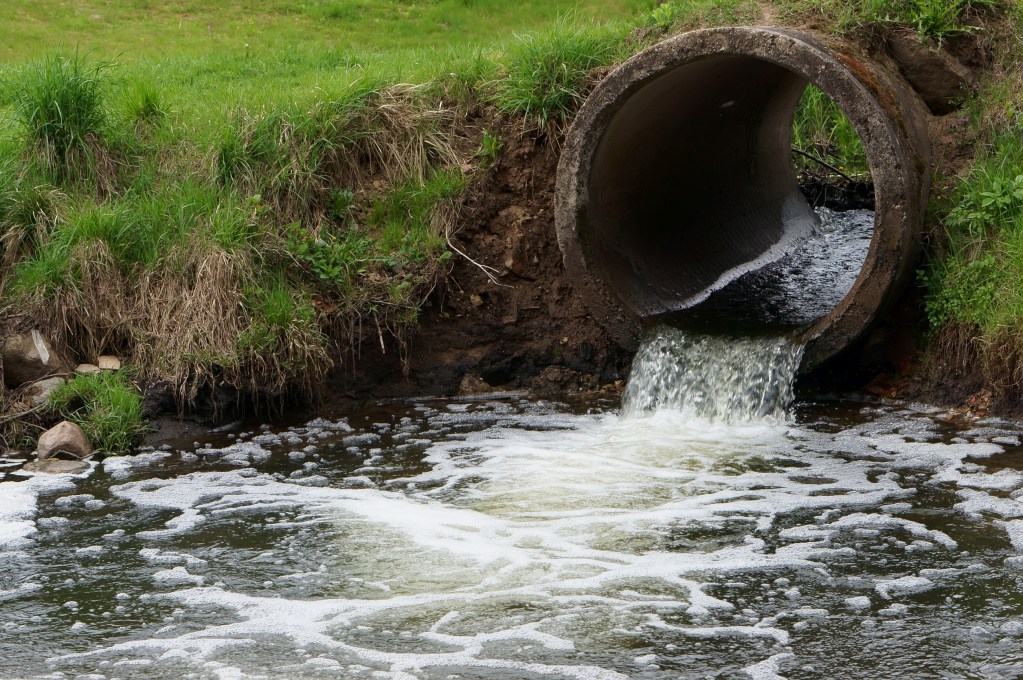
Aging infrastructure and outdated treatment processes make it harder for small utilities to meet today’s environmental and public health standards.
Regulatory standards are tightening faster than many small utilities can upgrade aging infrastructure or secure new funding. Several challenges are driving this pressure:
- PFAS and nutrient limits: New federal PFAS standards and tighter nutrient limits require advanced treatment technologies most older plants were never designed to support. These upgrades are costly and often out of reach for small systems.
- Groundwater protections: Communities relying on brackish groundwater now face stricter sustainability and anti–saltwater intrusion requirements, making growth approvals harder without modern treatment capacity.
- Operator shortages: Retirements and limited staffing make it difficult to maintain equipment, complete sampling, and stay ahead of compliance tasks.
How WaaS® Helps Small Utilities Stay Ahead
Water-as-a-Service® is designed to close the gap between rising regulatory requirements and the limited resources of small utilities. WaaS® addresses the shortfalls and helps utilities achieve this in the following ways:
- No upfront capital required: WaaS® allows utilities to add new treatment capacity — whether for PFAS removal, desalination, nutrient control, or reuse — without taking on debt or securing bond funding. The entire system, including advanced membranes and specialty treatment processes, is paid for with a fixed monthly service fee.
- Guaranteed compliance and reliable operations: With WaaS®, performance and operations are handled by a team of professionals who monitor the system around the clock. Compliance guarantees are built into long-term contracts, reducing risk for both utilities and ratepayers. Instead of scrambling to keep up with new rules, utilities can rely on partners whose sole responsibility is to deliver consistently compliant water quality.
- Predictable monthly costs: Unexpected breakdowns, parts shortages, and emergency repairs can devastate a small utility’s budget. WaaS® eliminates this uncertainty by bundling all operations, maintenance, monitoring, and replacement costs into one monthly payment, allowing utilities to keep within their budget without fear of unexpected expenses.
- Rapid deployment of modern technology: Traditional infrastructure projects can take years to permit and build; time that utilities facing regulatory deadlines or violations don’t have on their side. Because WaaS® systems are modular, pre-engineered, and built off-site, they can be deployed within months rather than years, offering a faster path to meeting requirements.
These advantages aren’t theoretical. Small and remote utilities are already using WaaS® to solve urgent compliance and reliability challenges.
U.S. Virgin Islands – Reliable, Compliant Potable Water Through Fully Managed Desalination
A strong example of how small utilities benefit from Water-as-a-Service® comes from the U.S. Virgin Islands, where aging infrastructure and recurring drought made it difficult to maintain a reliable supply of potable water. To address these challenges, the Virgin Islands Water and Power Authority (VIWAPA) partnered with Seven Seas to design, build, finance, and operate seawater reverse osmosis desalination systems on St. Thomas and St. Croix.
These treatment facilities provide a dependable supply of high-quality drinking water under a long-term service agreement, ensuring consistent regulatory compliance without requiring VIWAPA to invest upfront capital or expand its staff. Seven Seas manages all operations, maintenance, monitoring, and membrane replacement, giving the islands a stable, resilient water source despite limited local resources.
This partnership demonstrates how WaaS® helps small utilities overcome compliance pressures and infrastructure constraints while maintaining predictable budgeting.
The challenges facing small communities won’t ease anytime soon, and many systems are already approaching compliance limits.
Meeting Today’s Regulations Without Tomorrow’s Headaches
Small utilities today face the same challenges as large metropolitan systems, but without the workforce, budgets, or capital that big cities rely on. The compliance burden is real, and it’s growing.
If your utility is facing new regulatory deadlines or capacity limits, Seven Seas can help. Contact our team to learn how Water-as-a-Service® delivers compliant, modern treatment with no upfront capital and no added staffing burden.
Image Credit: robertogalan1983/123RF