
Scalable water infrastructure doesn’t risk your capital
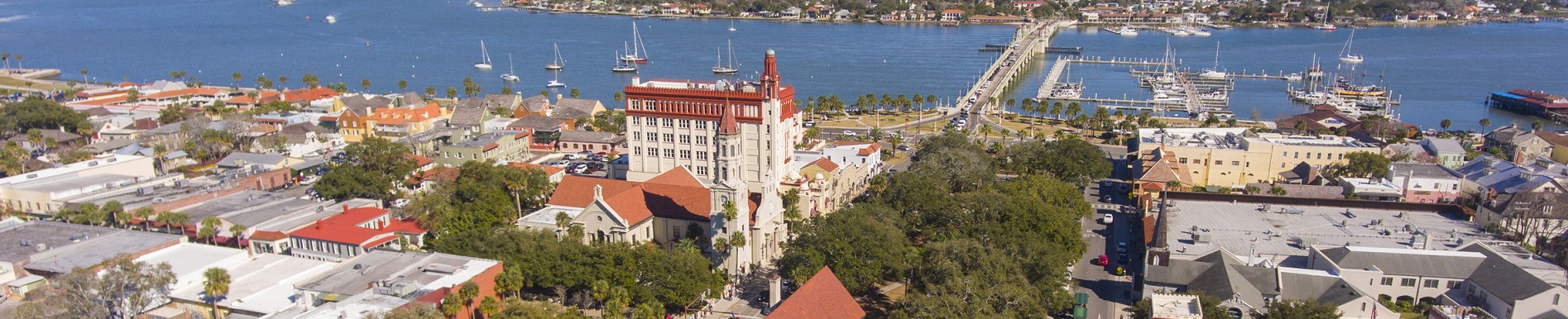
Florida is experiencing phenomenal growth. With a population increase of more than 20% since 2020, coastal regions including St. Johns, St. Lucie, Walton, and Flagler counties are among the fastest-growing in the United States.
As people are drawn to the region’s warm weather and pristine beaches, new housing and tourism-driven development are mushrooming, straining already overburdened water infrastructure. To keep up, municipalities must scale water infrastructure quickly and without the financial risk of investing huge sums of capital up front or waiting for financial approvals or budget allocations.
The Growth Pressure on Coastal Counties
Recent population surges are driving development, but progress often stalls because utilities must be in place before permits are approved or new homes can go on the market. This lack of supporting infrastructure creates a roadblock.
Changes in population during peak tourism season exacerbate the problem, adding unpredictable spikes in demand to overstretched water treatment systems.
The Risks of Traditional Capital-Heavy Projects
Municipalities historically have relied on large, centralized treatment plants that require significant upfront capital investment and bonding capacity. These systems also take a long time to get off the ground. Planning, permitting, and construction can take years, leaving development stalled while demand for housing and critical infrastructure continues to rise.
When designing infrastructure, municipalities in fast-growing regions must not only match current demand but also factor in future growth. Planning for a projected population risks overbuilding and leaving communities with underutilized capacity for years until the population catches up. That can be costly when there is only a small tax base initially to foot the bill. Taxpayers also must shoulder the risks of cost overruns, flooding from hurricanes, and climate-driven uncertainties such as drought and water scarcity.
Leasing Is the Scalable Alternative
Leasing modular, decentralized plants is a smart alternative for providing immediate capacity to support new coastal development. Seven Seas’ Lease Plant Program gives municipalities and developers immediate access to the water infrastructure they need with no upfront capital required, preserving municipal budgets and bonding capacity for other projects.
These smaller systems are placed in or near the communities they serve, eliminating the need for expensive pipelines. These systems also facilitate fast permitting and deployment, keeping development projects moving. Their modular, scalable design allows phased installation so capacity can be expanded as the community grows, building in line with growth while keeping initial costs low.
Developer Advantage: Speed to Market
Leasing critical water infrastructure alleviates the long lead times associated with traditional projects and gives immediate access to on-site water and wastewater treatment. It doesn’t hold up development. That means faster project approvals, quicker sales, and reduced financial exposure for both developers and municipalities.
Municipal Advantage: Reduced Risk & Flexibility
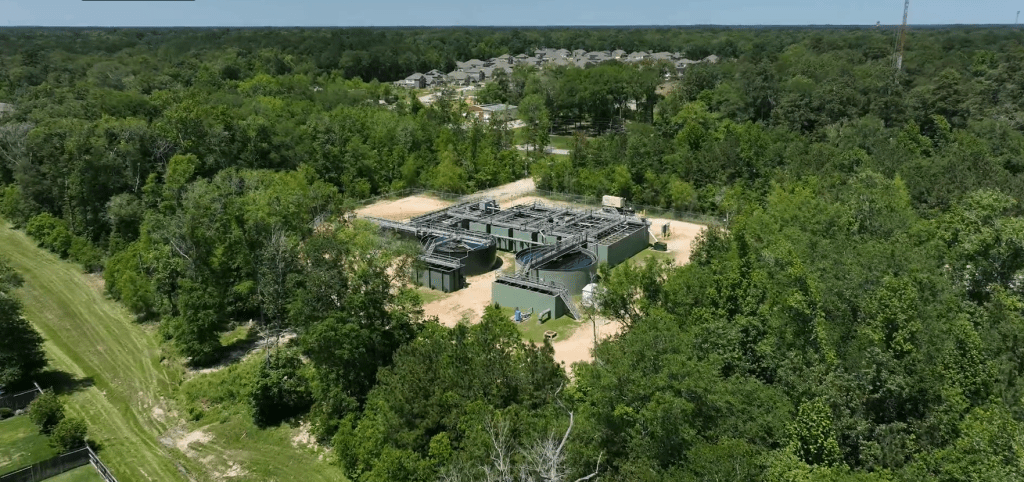
Modular, decentralized treatment plants like these can be rapidly deployed in Florida communities, scaling with growth while avoiding the delays of traditional projects..
For municipalities, leasing shifts the long-term debt burden of a capital-intensive expense to a predictable monthly operating expense. The modular, scalable nature of leased systems provides coastal counties with the flexibility to adapt to growth, tourism surges, and climate risks while ensuring compliance with the Florida Department of Environmental Protection and the federal Environmental Protection Agency standards. Leasing provides a resilient and compliant foundation without raising taxes, keeping communities prepared and budgets balanced.
Beyond Leasing: Introducing WaaS®
For counties seeking turnkey operations, Water-as-a-Service® (WaaS®) takes the leasing model a step further, extending it into a full-service partnership by bundling design, build, operation, and maintenance under one contract. Utilities gain guaranteed compliance, storm resilience, and peace of mind, so they can focus on growth and community priorities rather than plant operations.
Moving Ahead With Smart Flexible Solutions
Florida’s coastal counties need utility strategies as dynamic as their growth. Leasing offers a fast, flexible, and financially smart way for municipalities to get the infrastructure they need to keep pace with development without the capital risk. With WaaS®, municipalities gain not only infrastructure but also a trusted, long-term service partner who ensures reliability and compliance for decades to come.
Is water infrastructure holding up development in your community? Contact Seven Seas to learn more about our modular, decentralized water and wastewater treatment solutions and how they can get your project moving.
Image Credit: jiawangkun/123RF