

Reliable water infrastructure protects public health, tourism economies, and daily life
On an island, water system failure is not a minor inconvenience — it can disrupt daily life, halt tourism, and create immediate public health risks. Geographic isolation, limited resources, and heavy reliance on tourism magnify these risks, affecting public health, economic stability, and community resilience.
Isolation Magnifies Risk
Islands face unique infrastructure challenges that their mainland counterparts rarely encounter. On islands, even routine repairs can be complicated. Access to replacement parts, equipment, and specialized technicians is often limited because everything must be shipped or flown in. These offshore supply chain logistics can cause delays that turn a minor mechanical glitch into a prolonged or full-scale service disruption.
To compound the issue, small islands often have limited treatment facilities with few, if any, backups. This lack of redundancy means that a single failure can affect the broader community, negatively impacting residents and businesses alike.
Public Health Consequences
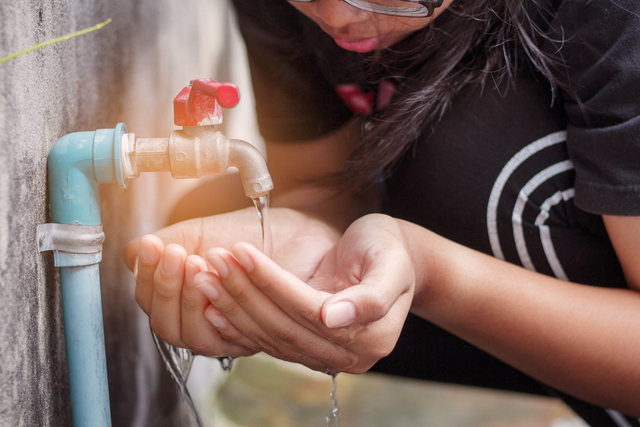
Limited access to backup water supplies can make treatment disruptions especially serious in island and remote communities.
Failures in drinking water or wastewater treatment systems can quickly and directly put public health at risk. On islands and in other remote regions, healthcare services may already be limited and alternative water supplies unavailable, so compromised water quality or service interruptions can pose a serious health risk. Young children, the elderly, and individuals with weakened immune systems are particularly vulnerable to exposure to contaminated drinking water.
By the same token, if wastewater treatment systems fail, untreated or poorly treated sewage can flow into nearby coastal waters, negatively impacting marine ecosystems and public beaches.
Tourism and Economic Impact
For many islands, particularly in the Caribbean, tourism plays a key role in driving the economy. Resorts, cruise terminals, restaurants, and recreational facilities all need reliable water and wastewater treatment services to keep their businesses operating safely and efficiently.
When water infrastructure fails, the tourism industry often experiences immediate ripple effects. Hotels may be forced to suspend bookings, restaurants may temporarily close, and cruise operators may reschedule stops if water and sanitation standards aren’t up to par.
The financial losses can be immediate, but the reputational damage can linger much longer, leading to long-term economic impacts if potential visitors opt for alternative destinations with more reliable water and wastewater services. When local employment, municipal budgets, and public services are all supported by tourism, the reliability of water infrastructure is essential to protecting livelihoods and economic stability.
Storm Vulnerability
Island communities are also vulnerable to extreme weather events — including tropical storms, hurricanes, and coastal flooding — that test the resilience and durability of local infrastructure. Heavy rainfall and storm surges can inundate treatment plants, damage equipment, and disrupt essential power supplies. Even if a facility survives a storm, recovery efforts can be hampered by damaged access roads or limited availability of repair crews.
Because of these threats, storm preparedness should be incorporated into infrastructure planning. To ensure that island communities can weather the storm, water systems must be designed with resilience in mind. Design features such as wind-resistant and flood-resistant construction, elevated equipment platforms, and backup power supplies enhance storm resilience and can keep facilities operating during extreme weather events.
Seven Seas has supported water infrastructure in island communities where reliability, storm preparedness, and continuity of service are especially critical. That includes operating the first and only water treatment facility in the Caribbean certified by the U.S. Resiliency Council (USRC) for wind and earthquake resilience, with a Gold Wind Rating and a Silver Earthquake Rating. That experience has reinforced the importance of designing systems for resilience, building in redundancy, and ensuring rapid-response support when disruptions occur.
Redundancy and Rapid Response
Given the range of challenges they face, island systems should prioritize redundancy to ensure service continuity. This doesn’t necessarily mean additional plants; infrastructure can incorporate multiple layers of protection to prevent service disruptions.
Having backup pumps and generators, duplicate treatment processes, and emergency storage capacity can mean the difference between a system that continues to operate when one component fails and one that shuts down during repairs. Remote monitoring capabilities can also serve as a proactive feature, helping operators detect and address issues before they disrupt service.
When problems do arise, having knowledgeable operators and technicians on hand can ensure a rapid response and quick recovery. Island-based facilities with limited staff capacity may choose to partner with a professional water service provider like Seven Seas through Water-as-a-Service® or other service models that provide dedicated support teams and critical replacement parts on standby for emergencies. That kind of operational support can help communities respond faster, reduce downtime, and avoid prolonged disruptions caused by offshore supply chain delays. In island communities, having prompt access to this technical expertise can be a lifeline, limiting downtime and enhancing resilience.
Reliability as Economic Protection
For island communities, reliability isn’t just an operational goal; it’s essential to protecting public health, economic stability, and long-term resilience. Exploring infrastructure models that prioritize uptime, redundancy, and rapid response can make the difference between extended disruption and continuity.
Contact Seven Seas to explore how decentralized systems and Water-as-a-Service® delivery models can help island communities maintain reliable, resilient water and wastewater infrastructure.
Image Credit: naturetron/123RF.