
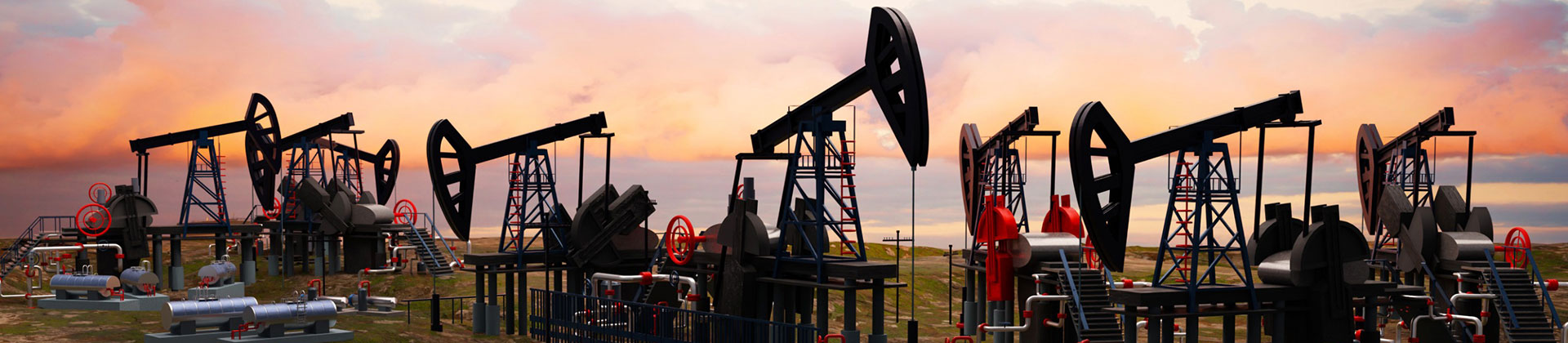
DAF, effective in removing oils and suspended solids, is valuable as a pretreatment in many industrial applications
Dissolved air flotation (DAF) is a process that removes suspended solids, oils, and other contaminants from raw water and wastewater. The technology works by dissolving air into water under pressure and then releasing it at atmospheric pressure in a flotation tank. Imagine tiny air bubbles acting like microscopic magnets, capturing and lifting impurities to the water’s surface. The floating material is then skimmed off, leaving clarified water behind.
Unlike traditional clarification methods, DAF excels at removing fine particles and emulsified contaminants. Its versatility makes it indispensable across industries like food and beverage, mining, and oil and gas, where water quality is paramount.
Food Processing
In food processing, fats, oils, and suspended solids are prevalent. By removing these contaminants, DAF not only reduces this sector’s environmental impact but also recovers valuable by-products like fats and oils, which can be repurposed. Some common applications in the food and beverage industry include:
- Dairy processing: DAF systems are used to remove fats, oils, greases, and suspended solids from wastewater generated during milk processing, cheese production, and other dairy processes, reducing wastewater’s organic load.
- Meat processing: In slaughterhouses and meat-processing plants, DAF is employed to separate blood, fats, and proteins from wastewater. This treatment step is crucial for reducing biological oxygen demand (BOD) and ensuring compliance with environmental regulations.
- Brewing: Breweries use DAF to treat effluent containing yeast, spent grains, and other organic materials, improving the quality of the water before it is reused or released.
Mining Industry
In mining operations, dissolved air flotation is used to treat industrial wastewater from mineral processing plants. It removes fine particles, flotation reagents, and other suspended materials, which helps in recycling water and reducing the overall environmental footprint of the operation. DAF is also applied in the treatment of tailings water, where it helps recover water for reuse in the mining process and reduces the volume of waste that needs to be managed.
DAF offers several key benefits for the mining industry:
- Effective Removal of Suspended Solids: DAF systems are highly effective at removing suspended solids from mining wastewater, including fine particulates that are often difficult to settle by gravity alone. This improves the clarity of the water and reduces the load on downstream treatment processes. DAF can also be used to treat tailings water, reducing the concentration of suspended solids before the water is either recycled or discharged, helping to ensure environmental compliance.
- Enhanced Environmental Compliance: DAF is effective in removing trace metals and residual oils from mining wastewater, which are common pollutants that need to be controlled to prevent environmental contamination. DAF systems protect downstream water bodies and help mining operations meet stringent environmental regulations by producing high-quality effluent that can be safely discharged or reused. This is particularly important in regions with strict water quality standards.
- Water Reuse and Recycling: In the mining industry, water is a critical resource, often in short supply. DAF systems can treat and recycle process water, which reduces the demand for fresh water and minimizes waste, thereby contributing to more sustainable operations.
A Closer Look: Peru Mining Operation Uses Dissolved Air Flotation

DAF treats mineral processing wastewater, removing contaminants to enable water recycling and reduce the mining industry’s environmental impact.
The Miski Mayo phosphate mine in Sechura, Peru, faced critical water challenges: inadequate supply, environmental risks, and unreliable sources. To overcome these obstacles, Seven Seas implemented a comprehensive water treatment solution. By integrating seawater reverse osmosis (SWRO) with advanced DAF pretreatment and brackish water reverse osmosis (BRWO), we significantly enhanced the mine’s water supply. The optimized DAF system boosted feed water quality by 80%, enabling the plant to process 8 million gallons per day (GPD) of seawater. This produced 2.8 million GPD of industrial water and 33,000 GPD of potable water for approximately 2,000 employees. The upgraded system not only ensured operational resilience to water shortages, but has also mitigated environmental risks associated with mining activities.
Oil and Gas Industry
Dissolved air flotation systems are highly effective at removing dispersed oil and grease from wastewater, making them an ideal solution for treating high-COD effluents generated during oil and gas extraction and refining processes. In oil extraction, DAF is used to separate oil, grease, suspended solids, and other contaminants from produced water, the water that comes out of the well during oil and gas production. This treated water can then be reused or safely discharged. DAF systems are also used in oil refineries to treat other wastewater streams, reducing the environmental impact when discharged into the environment and supporting water reuse.
By treating wastewater to high standards, DAF technology helps minimize the environmental impact of oil and gas operations, protecting aquatic ecosystems and reducing the risk of regulatory penalties.
DAF is a robust and versatile treatment technology for enhancing water quality and ensuring regulatory compliance across various industries. It provides enhanced operational efficiency and reduced treatment costs, while also offering the potential for water reuse and resource recovery, making it an essential component of modern water treatment processes.
Contact Seven Seas to learn more about DAF and other water treatment solutions we offer to improve efficiency, build resilience, and ensure regulatory compliance.
Image Credit: irstone/123RF