
Water-as-a-Service® provides resilient treatment solutions
Modern water infrastructure is key to removing contaminants from water and wastewater, thereby protecting water resources, drinking water, and public health. However, its integrity can be compromised during an extreme weather event.
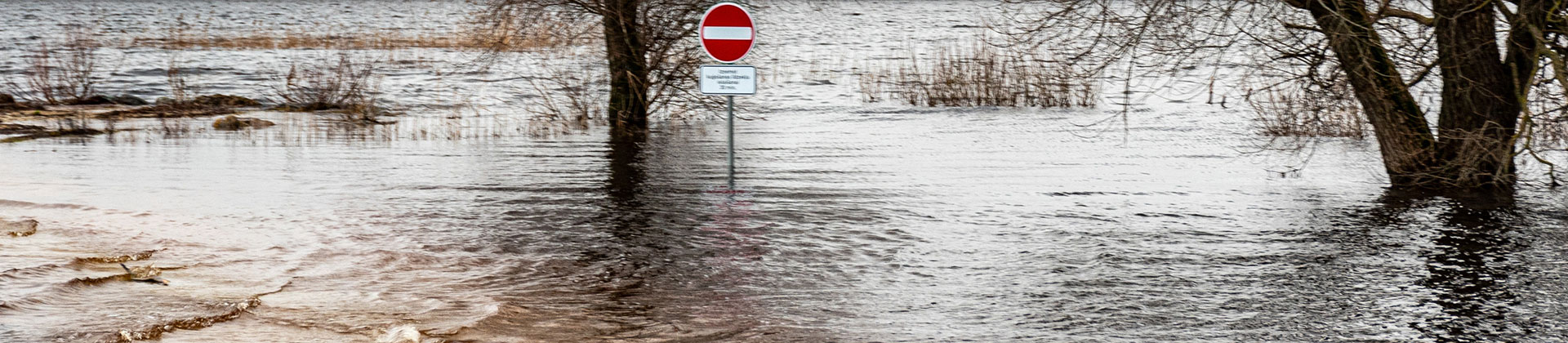
Flooding, especially, can overwhelm water infrastructure. That can lead to contamination from sewage overflows, chemical runoff, and disrupted treatment processes. When floodwaters infiltrate water supplies, the risk of waterborne diseases and exposure to harmful chemicals increases, making access to safe drinking water a concern.
Weather events such as hurricanes typically bring strong winds and severe flooding from heavy rainfall or storm surge. As atmospheric and sea surface temperatures rise, these hurricanes are becoming more intense and more destructive, posing a significant threat to water treatment systems.
Additionally, earthquakes, like the 2025 quake in Myanmar, can trigger secondary hazards that lead to severe flooding, including soil liquefaction, natural dams created by landslides, and damage to levees and dikes. These earthquake-induced flooding events can overwhelm water treatment facilities, disrupt distribution systems, and introduce contaminants into drinking water supplies, highlighting the need for resilient water infrastructure that can withstand multifaceted natural disasters.
How Flooding Compromises Drinking Water Safety
Flooding can affect drinking water in several ways. Some of the most common pathways for contaminants to enter drinking water include:
- Sewage overflows. Floodwater and storm surges can inundate wastewater treatment plants, causing sewage overflows that spill into freshwater systems. As a result, consumers can be exposed to harmful pathogenic microorganisms.
- Damaged pipes. Flooding can also erode soils and damage underground sewage and water pipes, contaminating drinking water supplies. Since distribution pipelines are underground, the damage may not be discovered before communities are exposed to contaminated water. Aging infrastructure is particularly vulnerable to contamination from pipeline failures.
- Service disruptions. Because drinking water infrastructure often is not designed to withstand extreme flooding, water treatment services may be disrupted because of power outages, equipment failures, and damage to infrastructure, compromising water quality.
- Chemical runoff. Pesticides and other harmful chemicals can be washed into waterways from agricultural fields, industrial sites, and drainage systems with stormwater runoff. These pollutants can leach into water supplies, making drinking water more difficult and expensive to treat.
The Challenges Municipalities Face During and After Floods
Floods pose a significant threat to municipal water systems. Many treatment plants are located in flood-prone areas, making them particularly susceptible to contamination, flood damage, and service disruptions.
Even after floodwaters recede, restoring safe drinking water takes time. Testing, infrastructure repairs, and system flushing must be completed, leaving residents dependent on bottled water and emergency supplies in the interim. For smaller municipalities with limited budgets and staff, these challenges are even greater, often leading to prolonged service disruptions.
The longer these disruptions persist, the greater the risk of waterborne disease outbreaks, increasing pressure on local healthcare systems. Without resilient treatment solutions and emergency response strategies, flood-affected communities can face extended periods without reliable access to clean water.
The Need for Resilient Water Solutions

Decentralized wastewater treatment, facilitated by Water-as-a-Service®, provides a resilient and scalable solution for communities facing the challenges of flood-related disruptions.
To mitigate the risks of flood-related water contamination, communities must invest in resilient treatment solutions that can adapt to extreme weather events. Decentralized water infrastructure can reduce the likelihood of widespread outages from service disruptions as at a large, centralized plant.
If service at a small plant is disrupted by flooding, it will affect only a small local population, with other decentralized systems continuing to operate. Because decentralized treatment plants are located close to the point of use and consequently don’t have extensive networks of pipes, they also minimize the risk of contamination from pipe breaks. These systems are quick and easy to install and can be rapidly deployed with the help of Water-as-a-Service® (WaaS®).
How WaaS® Can Help
Water-as-a-Service® provides municipalities with scalable, on-demand water treatment solutions designed to withstand environmental challenges. Some of the key benefits include:
- Rapid deployment of emergency water treatment units. Mobile and temporary water treatment systems can be quickly deployed, providing clean drinking water while permanent infrastructure is restored.
- Resilient infrastructure upgrades. WaaS® helps municipalities implement flood-resistant water treatment solutions, such as elevated facilities, advanced filtration systems, and backup power solutions to ensure continuous operation during emergencies.
- Cost-effective and scalable solutions. Instead of large up-front investments, WaaS® provides a service-based model that ensures municipalities pay only for the water treatment capacity they need, making it a viable solution for communities of all sizes.
- Water quality monitoring and predictive analytics. With real-time data collection and AI-driven analytics, WaaS® enables identification of contamination risks, allowing operators to act before public health is compromised.
In an era where flooding poses an ever-growing threat to water safety, planning and resilient solutions are essential. As climate change continues to drive more extreme weather patterns, flood-prone communities must prioritize water security.
Investing in adaptive, scalable, and resilient decentralized water treatment solutions supported by WaaS® ensures that residents have access to safe drinking water, even in the wake of a disaster. Contact Seven Seas to learn more about our Water-as-a-Service® solutions and how we can help your community build resilience to climate change.
Image Credit: mikelitis/123RF