
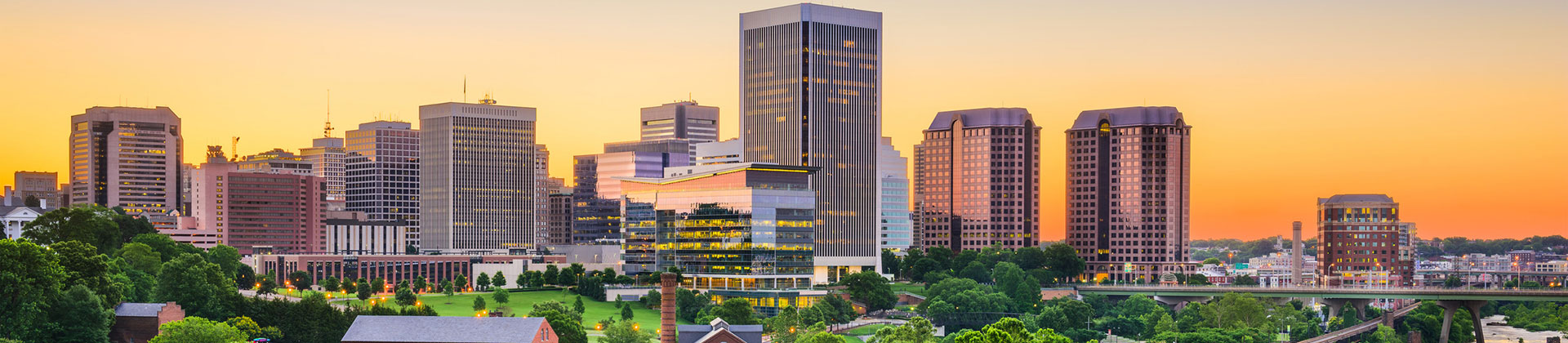
Challenges include aging pipes, drought, wildfires, and pressure on outdated systems
In recent years, cities across the United States have faced mounting water challenges, many of them full-blown crises. And while some of these difficulties have been resolved, such as lead contamination in Flint, Mich., and boil-water orders for Baltimore, Md., and Houston, America’s water infrastructure problems are far from over.
In 2025, places like Richmond, Va.; Atlanta; Mathis, Texas; Los Angeles; and Jackson, Miss., continue to struggle with safe, reliable water access. Some of these issues have recently surfaced, while others have been decades in the making.
Richmond, Virginia: Winter Outage Highlights Infrastructure Gaps
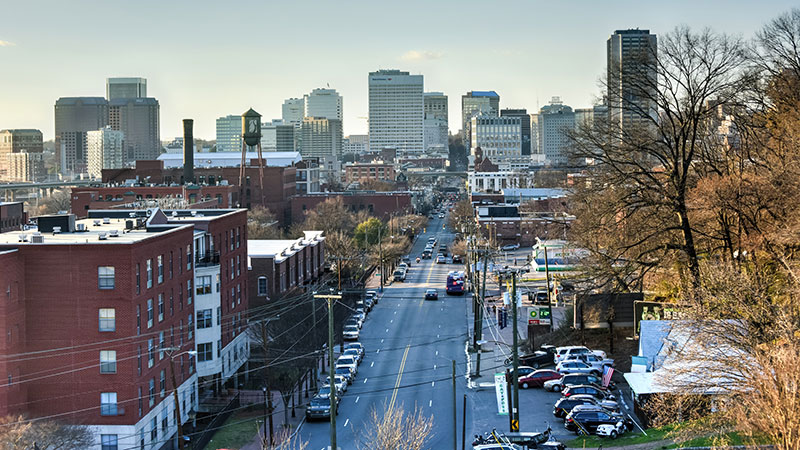
A second boil-water advisory in May 2025 underscored Richmond’s need for long-term infrastructure upgrades after backup systems and filtration equipment failed earlier in the year.
In January 2025, Richmond experienced a major disruption when a power failure knocked out its water treatment plant, triggering a boil-water advisory for several days that left the city’s 230,000 residents, as well as adjacent counties of Hanover and Henrico, without drinkable tap water. According to a report from the Virginia Department of Health, the crisis was “completely avoidable.” The plant ran in a stripped-down “winter mode,” relying solely on a single power feed, and backup systems failed.
In May, clogged filters at the same plant triggered another boil advisory. To tackle these problems, the city has formed two new work groups dedicated to infrastructure upgrades and long-term resilience.
Atlanta: Aging Pipes Create Urgent Risk
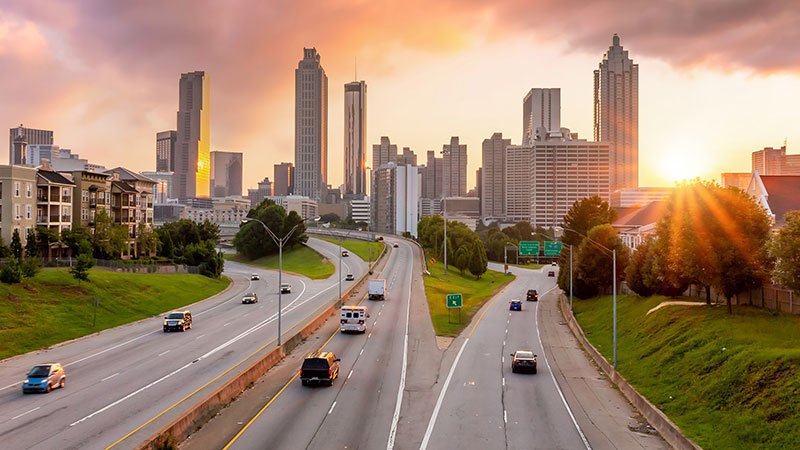
Atlanta continues to confront the consequences of century-old water mains, where major breaks and emergency repairs have highlighted the urgency of systemwide reinvestment.
In Atlanta, decades-old pipes continue to pose problems. In 2024, major water main breaks caused by aging infrastructure that was installed more than a century ago flooded streets and disrupted service. Officials declared a state of emergency and issued boil-water advisories while crews undertook emergency repairs. While service has been restored, it’s not enough. Without costly upgrades, the city’s fragile water infrastructure will be vulnerable to pipe breaks and service disruptions. A year later, the city is assessing its water infrastructure needs and prioritizing which parts of the system to upgrade first to avoid another crisis.
Mathis, Texas: Drought Threatens the Only Water Source
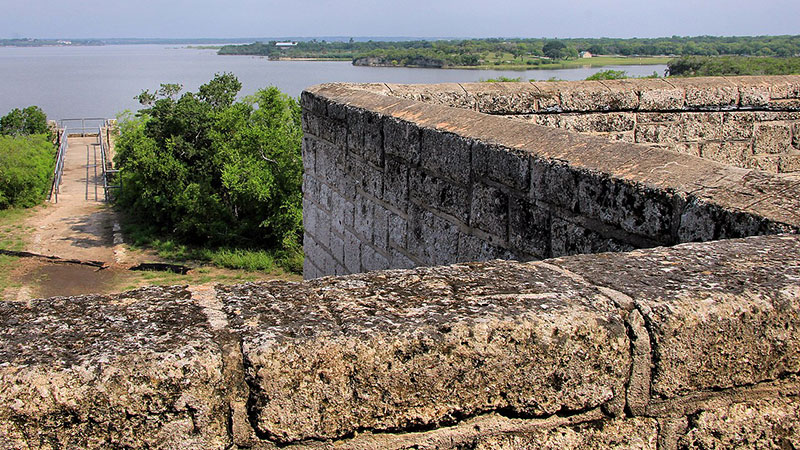
Lake Corpus Christi, the sole drinking water source for Mathis, has reached critically low levels, forcing the community to explore alternative supplies to avoid future shortages.
Residents of Mathis, Texas, are facing a different kind of threat: Their only water source is drying up. The small town depends on Lake Corpus Christi for drinking water, but prolonged drought has pushed the reservoir to critically low levels. Officials warn that the lake’s intake valve could soon be drawing sludge instead of clean water, which would affect not only the quality of the water supply but could also damage the treatment plant.
In response, officials are racing the clock to find an alternative water supply, exploring deep groundwater wells and reclaimed wastewater as potential solutions. But for the town’s 5,000 residents, the stakes are high. Without swift action, they could face serious water shortages.
Los Angeles: Wildfires Expose Infrastructure Weaknesses

Los Angeles’ reliance on imported water and an aging distribution system became more apparent after the 2025 Palisades fire revealed gaps in emergency water-flow capacity.
Los Angeles, a city of around 3.88 million people, relies heavily on water imported from hundreds of miles away and water from the Colorado River, which is running dry from overextraction and climate change. City officials have been promoting water reuse, including recycling wastewater for drinking, with the long-term goal of scaling up the Hyperion Water Reclamation Plant in Playa Del Rey, a project expected to be completed in 2056. This timeline will not bring relief to the city anytime soon.
The city is facing another harsh new reality after the January 2025 Palisades fire stretched the city’s water system to its breaking point. Fire hydrant tanks and pipes were designed for putting out spot urban fires, not for sustained, high-volume firefighting. As a result, some hydrants ran dry when they were critically needed. An analysis revealed deeper cracks in L.A.’s water planning; parts of the system lack the capacity to respond to extreme climate-driven events.
Jackson, Mississippi: Billing, Control, and Trust Issues
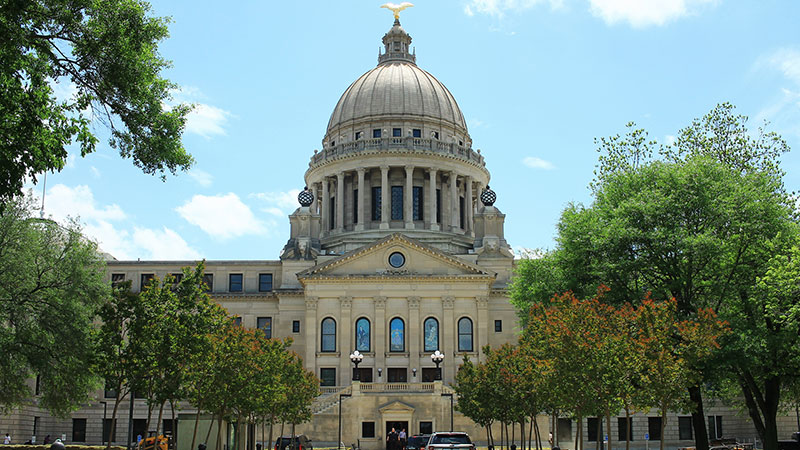
Jackson, Mississippi, continues to work through long-standing water infrastructure challenges while city leaders and federal officials navigate decisions about future oversight.
In Jackson, the water crisis illustrates the challenges of balancing local governance, federal oversight, and long-term infrastructure investment. After years of system failure, in 2022, Jackson’s water and sewer infrastructure was taken over by a third-party operator, JXN Water, under federal oversight.
City leaders, responding to residents who have raised concerns over billing and service issues, are pushing for the utility to be returned to local control. In October 2025, the City Council passed a nonbinding resolution urging federal authorities to restore operations to Jackson’s public works.
Why These Crises Persist — and What They Have in Common
While the water systems in each of these cities face very different pressures, they have one thing in common: They are being stretched to their limit, putting the ongoing supply at risk. Some are dealing with aging and undermaintained infrastructure, while others are overwhelmed by climate change effects or population growth. Across the board, deferred maintenance, underinvestment, outdated infrastructure, and leadership gaps continue to plague water systems.
As these cities wrestle with their water challenges, several lessons can be learned:
- Investment should be proactive, not reactive: Richmond’s crisis was avoidable, according to state health officials, if the city had invested in water infrastructure upgrades sooner.
- Growth + climate = new risk: In Mathis and L.A., infrastructure designed for a different era can’t handle modern challenges.
- Local trust matters: In Jackson, the debate over who controls the water isn’t just technical; it’s a deeply sensitive and political issue involving transparency and the trust of residents.
- Resilience requires planning: Atlanta’s breaks and L.A.’s water scarcity and firefighting issues show the need for systems built not for the past, but for today and the future.
Upgrading Water Infrastructure With Water-as-a-Service®
In all these cases, outdated infrastructure is a common problem – and a barrier that doesn’t always match local budgets or timelines.
This is often because of a lack of resources. That can be overcome by partnering with experts who can take over water and wastewater treatment infrastructure, from construction to operations and maintenance.
With Seven Seas Water Group’s Water-as-a-Service® model, municipalities can get the water infrastructure they need with no upfront capital and no monthly operating costs; they pay only for the water they use. Seven Seas will build or acquire and upgrade existing infrastructure and manage the plant on your behalf, ensuring that consumers have a reliable supply of safe drinking water.
Seven Seas specializes in decentralized treatment solutions, which use smaller plants located near sources of demand. Decentralization reduces the need for long distribution pipelines, which have proven to be a significant weakness in water systems with aging infrastructure. Decentralized systems also speed up delivery, with plants being deployed within months rather than years or decades.
Contact Seven Seas to learn more about our Water-as-a-Service® partnerships and how we can help your community secure a continuous supply of safe drinking water – without the burden of upfront capital.
Image Credit: sepavo/123RF