

In addition to water scarcity, lack of wastewater facilities is slowing suburban development
Key takeaway:
New housing in Arizona can’t proceed without both water and wastewater permits, but modular systems and flexible financing models can bridge the gap.
Water scarcity is a growing problem worldwide, and Arizona is no exception. The state’s arid climate, overdrawn aquifers, and shrinking Colorado River allocations have placed enormous pressure on municipalities and developers alike. Water shortages have become so serious in the city of Phoenix that the state has limited the construction of new homes.
Phoenix, home to more than 4.8 million people, is one of the fastest-growing areas in the United States. However, every new resident increases the demand on dwindling water resources. Recent state analyses show that Phoenix could face a 1.5 trillion gallon (6 billion m3) shortfall over the next century. The Arizona Department of Water Resources (ADWR) has paused new certificates of Assured Water Supply in certain areas, halting development where groundwater cannot be guaranteed.
However, the lack of an assured water supply is only part of the problem. New homes require wastewater treatment facilities, which can take years to build, and you can’t issue building permits if the wastewater capacity and permits aren’t in place. Subdivisions in fast-growing areas such as Pinal and Maricopa counties are rising, but wastewater infrastructure and permitting remain stalled. To keep building, developers and municipalities will need to rethink how they secure, treat, and reuse water.
The Traditional Growth Model Is Straining

Traditional centralized wastewater treatment plants are expensive and slow to build, creating a bottleneck for developers in fast-growing areas like Pinal and Maricopa counties.
Arizona’s development model was built around centralized infrastructure consisting of large treatment plants funded through municipal bonds, designed years ahead of actual growth. But this approach can’t keep pace with modern growth pressures, leading to bottlenecks that stall development.
The Colorado River, a lifeline for Arizona, continues to face historic low flows due to prolonged drought and climate change. Groundwater pumping restrictions under Arizona’s Active Management Areas (AMAs) further limit supply. Yet even when water can be sourced, wastewater systems remain a stumbling block since municipalities won’t issue building permits unless wastewater infrastructure and permits are already in place.
Traditional plants often require years of design, financing, and approval before they break ground. The result is a lag between housing demand and available capacity, a mismatch that leaves developers waiting and communities facing housing shortages.
Arizona’s Water Management Rules
Water management in Arizona is governed primarily by the Arizona Department of Environmental Quality (ADEQ) and the ADWR. Developers and municipalities should be aware of key requirements designed to protect aquifers and ensure long-term sustainability:
- ADEQ and Aquifer Protection Permits (APP): Any facility that discharges treated water that could impact groundwater must obtain an APP from the ADEQ.
- Reuse and reclaimed water rules: Arizona encourages treating reclaimed water for use in nonpotable applications and even aquifer recharge, but facilities must meet specific treatment standards and monitoring requirements.
- Assured water supply rules: Development is limited where long-term water availability cannot be demonstrated.
- Active Management Areas: In AMAs such as Phoenix, Pinal, and Prescott, developers must demonstrate both assured water supply and wastewater management strategies that align with conservation goals.
Navigating Arizona’s stringent regulatory terrain to get the required permit approvals is a process that can take months or years. This bureaucratic bottleneck is one of the biggest constraints to growth in Arizona’s fastest-growing real estate markets, but integrating modular treatment and water reuse systems can help projects meet regulatory criteria faster and more sustainably.
Fast-Tracking With Modular and Decentralized Treatment
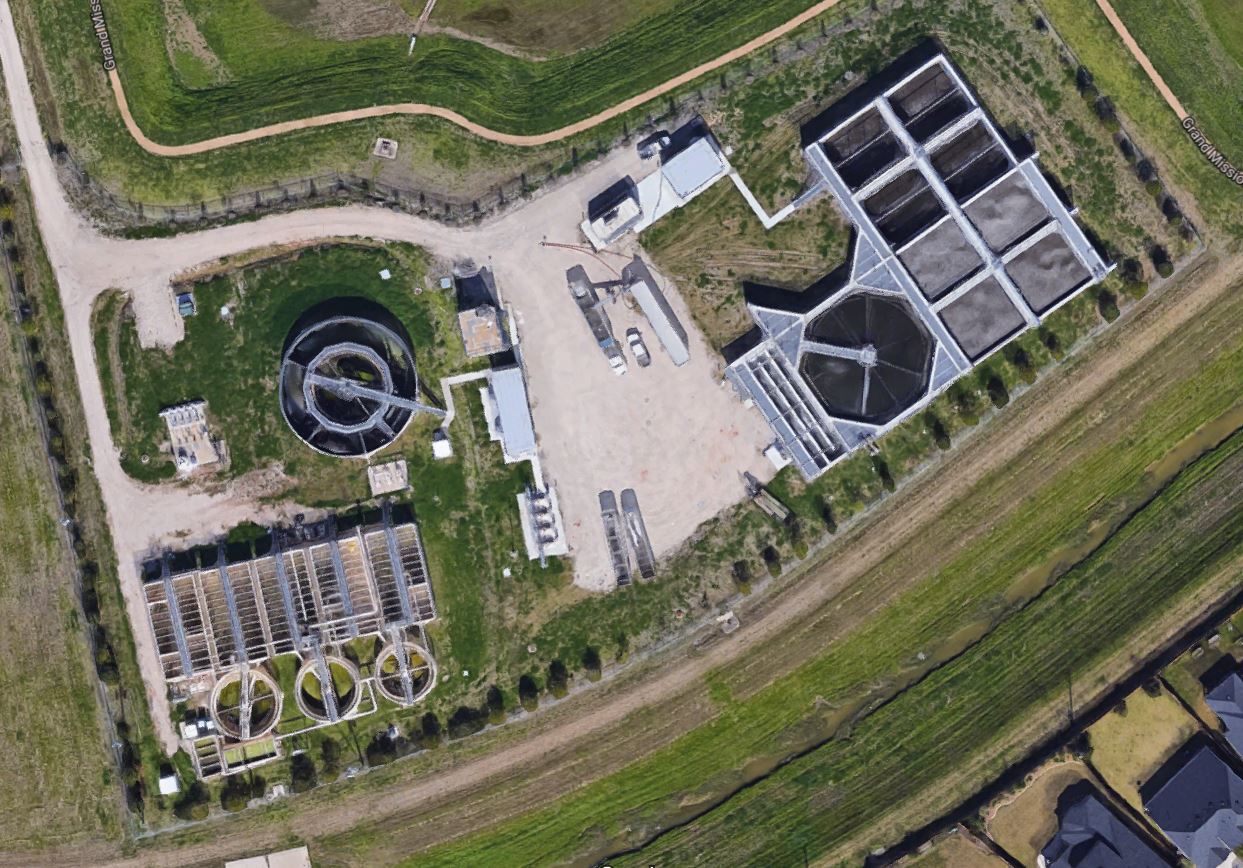
Modular, decentralized wastewater treatment systems can be deployed in months instead of years, giving Arizona developers the flexibility to match capacity with growth.
To overcome this challenge, a growing number of developers are now turning to modular, decentralized wastewater treatment systems — scalable, factory-built plants that can be rapidly deployed and installed near the point of use.
These systems drastically cut construction timelines by reducing civil work and eliminating the need for miles of sewer pipelines connecting homes with centralized facilities. Due to their modular design, capacity can be added in phases as demand grows, alleviating the need for investing in capacity that may not be needed for years.
Another key benefit of decentralized systems is that they can treat and reuse wastewater locally, reducing strain on municipal infrastructure and supporting sustainable growth. Treated effluent can be reused for landscape irrigation, dust suppression, industrial cooling, or even aquifer recharge, helping to conserve and even replenish groundwater, directly supporting Arizona’s water resilience goals.
Financing That Removes Barriers
Traditional procurement’s cost and complexity often hold projects back. It requires significant upfront capital investment and can take years to finance, design, and build. Innovative financial models are shifting things up a gear, getting projects moving faster.
With Seven Seas Water Group’s Lease Plant Program, developers or municipalities can deploy advanced wastewater systems without upfront capital expenditure, paying predictable monthly fees instead. With Water-as-a-Service®, Seven Seas designs, builds, owns, operates, and maintains treatment systems under long-term service agreements. The customer simply pays for the volume of water or wastewater treated, ensuring compliance, performance, and predictable operating costs without the burden of plant ownership.
In Arizona’s growth corridors, where timing is everything, these models eliminate funding delays and reduce risk, helping developments move from planning to permitting much faster to keep their timelines on track.
Aligning Policy, Growth, and Resilience
Decentralized and modular wastewater infrastructure supports Arizona’s broader goals of sustainable growth. By enabling water reuse, these systems can make a positive contribution to the state’s aquifer recharge and drought mitigation while helping municipalities and developers meet regulatory requirements faster.
For developers and utilities, this approach transforms wastewater treatment from a permitting obstacle into a growth enabler. With financing models like leasing and Water-as-a-Service®, advanced treatment systems can be deployed without upfront capital, ensuring compliance and predictable long-term performance.
For developers and utilities ready to explore faster, more flexible paths to wastewater capacity in Arizona, Seven Seas offers systems designed specifically for the state’s challenges. Schedule a consultation to explore how modular and Water-as-a-Service® solutions can keep your projects moving while protecting Arizona’s most vital resource — water.
Image Credit: welcomia/123RF