
Matching reclaimed water to local demand can expand the benefits of an established resource
Florida used approximately 1.03 billion gallons of reclaimed water daily in 2025, compared with a reported reuse system capacity of 2.6 billion gallons per day. The next opportunity lies in connecting available reclaimed water supplies with applications that would otherwise draw on freshwater resources. By reducing reliance on potable supplies, reuse can help utilities, developers, and businesses increase resilience while protecting natural ecosystems that depend on fresh water.
In This Article
Florida Already Makes Reuse a Major Part of Its Water Strategy
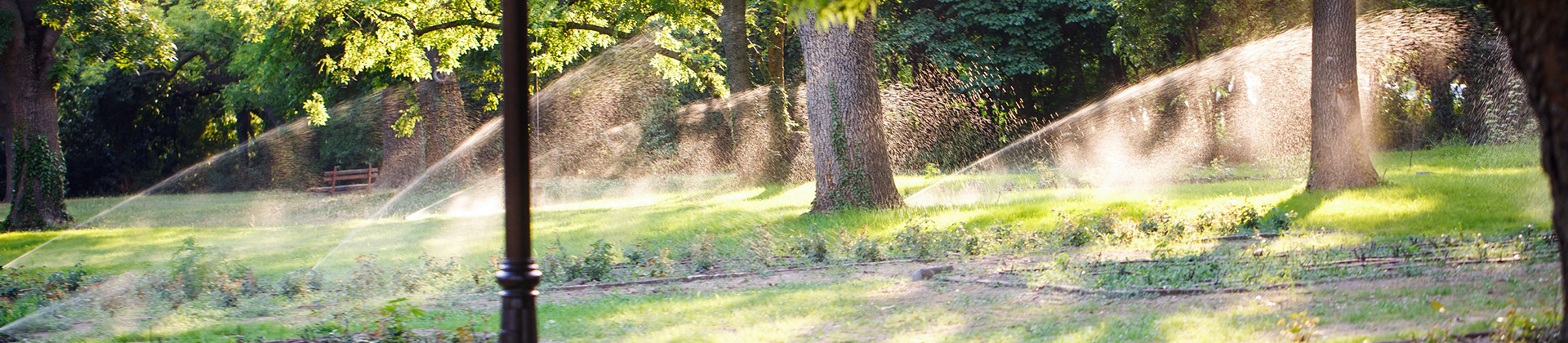
Public-access and landscape irrigation, including residential lawns, golf courses, parks, and commercial landscaping, account for about 58% of Florida’s reuse. With landscape irrigation accounting for a substantial portion of residential water demand in Florida, reclaimed water helps reduce pressure on freshwater supplies.
Florida also reported approximately 130 MGD (492,104 m³/day) of industrial reuse in 2025, demonstrating the role reclaimed water already plays in supporting industrial operations.
Communities can identify nearby customers that could transition to reclaimed water, while industries can explore nonpotable supplies for suitable operations. These efforts can reduce competition for limited freshwater resources while supporting economic development.
Florida Needs More From Reclaimed Water
Florida already struggles to meet water demand, and booming population growth and development make it even harder without increasing reuse. Using freshwater only once and then discarding it makes less sense when it can be reused. Florida can make water use more efficient by identifying existing irrigation, cooling, and other demands that reclaimed water could serve. Where few opportunities exist to replace freshwater use, identifying new uses for nonpotable effluent can provide additional benefits.
Moving Beyond Traditional Uses of Reclaimed Water
Treated effluent can serve a wide range of nonpotable applications, including cooling systems, manufacturing processes, toilet flushing, and vehicle washing. Treatment requirements depend on the source water and the intended use.
Matching treatment to application means identifying the contaminants, exposure pathways, and operating requirements that a project must address. Water suitable for one nonpotable application might be unsuitable for another. An industrial customer, for instance, might need additional treatment to control mineral buildup in equipment, while a golf course might need filtration and disinfection for irrigation in public areas.
Planners must establish those requirements before settling on a treatment system. The goal is to meet applicable regulatory standards and the specific water quality requirements of each application without adding unnecessary treatment costs.
Planning Water Reuse for a Florida Development?
Incorporating wastewater treatment and reuse early in the planning process can help reduce infrastructure costs and preserve freshwater supplies as communities grow.
Still exploring? Learn more about water and wastewater solutions in Florida →
Bringing Reuse Closer to Where Water Is Needed
Location can determine whether a promising reuse application becomes a practical project. A wastewater source and a customer might appear compatible until planners consider the distance, pumping, and distribution infrastructure needed to connect them.
Decentralized treatment can reduce that distance by locating smaller plants closer to reuse customers. Pipe and conveyance infrastructure accounts for a substantial share of project CAPEX, and a community that wants to reuse wastewater pumped to a distant plant might need an entirely separate return line. That significantly increases upfront costs. Add the long-term costs of pumping, pump station maintenance, and leak detection and repair, and alternatives warrant consideration.
Prefabricated units and package plants also offer the flexibility to phase capacity to match growth, avoiding stranded capacity.
For growing communities, planning wastewater treatment and reuse together can identify customers and distribution routes early. New construction also offers a cost-effective opportunity to incorporate reuse. Building a purple pipe system into a building or complex to supply water for toilet flushing, for instance, can cost far less and cause less disruption than retrofitting an existing building.
Master-planned communities and new residential developments present opportunities to incorporate wastewater treatment and reuse infrastructure from the beginning. Planning for irrigation and other nonpotable uses during development can reduce future retrofit costs and help preserve potable water supplies as communities grow.
The Next Phase of Florida Water Reuse
One way to evaluate reuse is to compare local wastewater flows with the needs of customers, taking into account seasonal irrigation demand, periods of excess supply, storage needs, and customer operating schedules. Other considerations might be required water quality, distribution distance, regulations, economics, and public acceptance.
When planning water reuse projects, agencies must foster robust public participation and education from the outset. Clear communication about treatment processes, water quality standards, and safeguards addresses public concerns and builds understanding.
Delivery and operating responsibility also deserve consideration, alongside technology. Through Water-as-a-Service® (WaaS®), Seven Seas brings design, financing, construction, and ongoing O&M under one delivery model, from the initial infrastructure decision through the plant’s service life.
Florida already has substantial water reuse infrastructure. Its next phase will depend on directing reclaimed water toward applications that provide the greatest local benefit. To evaluate wastewater flows, nearby reuse demand, and treatment and delivery options, schedule a consultation with Seven Seas Water Group.
Image Credit: sugarbox/123RF
Staci Buster supports business development at Seven Seas Water Group, helping municipalities and industrial customers find reliable, long-term solutions for their water and wastewater needs. Based at Seven Seas’ Tampa headquarters, she works closely with local partners to understand regional challenges such as growing demand, aging infrastructure, and the need for resilient supply through desalination and reuse. Staci helps connect Florida customers with the expertise of Seven Seas who has designed, built, and operated water infrastructure for more than 25 years.