

The five stories that captured readers’ attention this year — and what they reveal about today’s rapidly changing water landscape
As 2025 winds down, we’re looking back at the stories that resonated most with our readers this year, topics that highlight some of the pressing issues that utilities, water managers, and communities are navigating today.
No. 5: Why Georgia Communities Are Turning to Decentralized Utilities
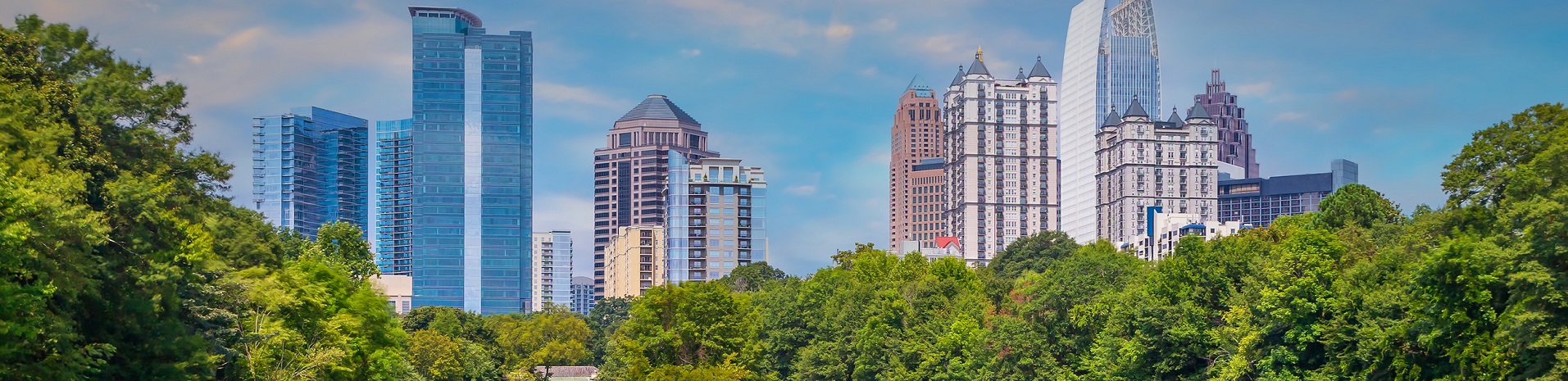
Georgia is one of the fastest-growing states in the country, and traditional centralized treatment systems were not designed to handle the surge. Decentralized water and wastewater treatment systems offer a practical alternative.
Georgia’s fast-growing suburbs are forcing communities to rethink how they build and expand water infrastructure. This article breaks down why decentralized utilities and flexible, modular treatment systems offer a quick, cost-efficient, and scalable solution when centralized systems can’t keep up with growth.
It outlines the benefits for every stakeholder: Developers avoid delays and keep projects moving; municipalities prevent overbuilding and reduce debt by scaling infrastructure in phases; and residents gain reliable, sustainable water systems that can expand with the community.
The article also explores how flexible financing models, such as Seven Seas Water Group’s Lease Plant Program and Water-as-a-Service®, help communities overcome capital constraints and unlock the infrastructure needed to support continued growth.
No. 4: Balancing Desalination With Environmental Stewardship

Desalination allows us to turn seawater and brackish water into potable water, providing a potential long-term solution to the water demands of a rapidly expanding global population.
Because seawater accounts for approximately 97% of the Earth’s water, and freshwater a mere 3%, desalination continues to gain traction as a reliable water source, especially in arid regions.
However, environmental considerations remain critical. This post explores how modern technology, together with a science-backed approach to responsible desalination, is reducing energy use, protecting marine ecosystems, and improving brine management. It presents a case study of the measures Seven Seas undertook to reduce the environmental impact of its desalination plant at Point Fortin on the Caribbean island of Trinidad, protecting the highly sensitive surrounding marine ecosystem.
No. 3: What Is Brackish Water? Understanding a Growing Water Source

Even in arid, inland areas, brackish groundwater is a potential source of reliable drinking water supplies.
Like seawater, brackish water offers great potential as an alternative water supply. This explainer article provides a comprehensive overview of what brackish water is, where it’s found, and why it’s becoming essential for drought-prone regions.
Brackish water is found in underground aquifers throughout the United States and beyond. This article explores the treatment processes used in brackish water desalination, explains why brackish water is generally cheaper to desalinate than seawater, and delves into the environmental considerations and common misconceptions surrounding brackish water desalination.
No. 2: Managing Brine Waste Responsibly: Challenges and Solutions

With careful preparation and monitoring, desalination can be achieved with minimal impact on ocean ecosystems.
Sticking with the desalination theme, our second most-read article of 2025 focuses on the important issue of brine management — one of the biggest challenges for both desalination and industrial water treatment. This post explains what brine is and unpacks the environmental impacts of improperly handled brine. It then walks through common brine management strategies that help mitigate risk, including surface water discharge, subsurface ocean discharge, deep well injection, and evaporation ponds or land application.
The article provides case studies of a brackish desalination plant in Alice, Texas, and a seawater desalination plant in Guapo Bay, Point Fortin, Trinidad, outlining the measures Seven Seas has implemented to reduce the environmental impact of brine produced at these facilities.
No. 1: How Flooding Threatens Water Quality — And What Communities Can Do About It
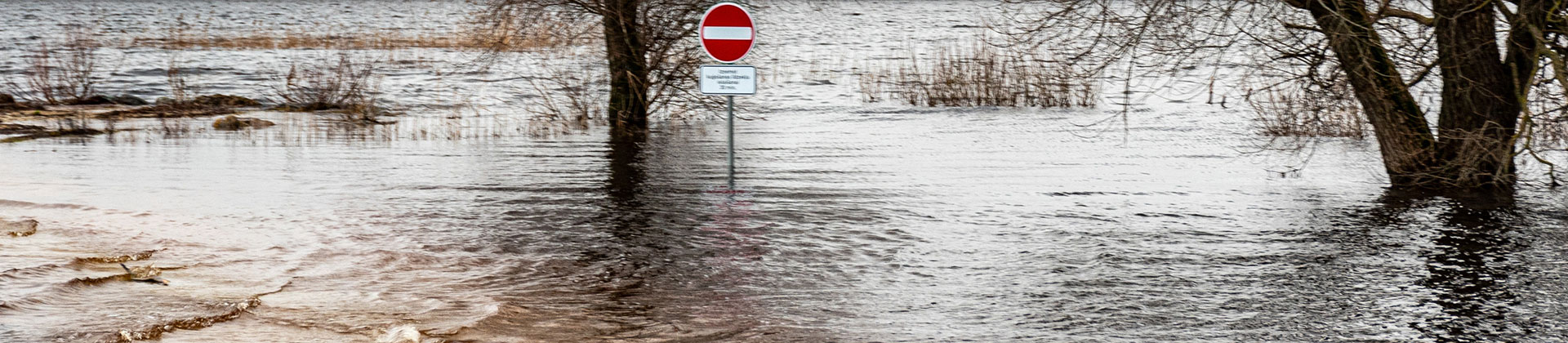
When floodwaters infiltrate water supplies, the risk of waterborne diseases and exposure to harmful chemicals increases, making access to safe drinking water a concern.
Drum roll, please! Our most-read piece of 2025 tackled a topic that’s becoming more pressing nationwide: the link between extreme weather and water quality. With extreme weather events and other natural disasters increasing in both frequency and intensity, this article clearly explains how flooding, storm surges, and landslides can overwhelm treatment systems, compromising water quality and threatening public health. It looks at how contaminants can enter drinking water during flooding, along with the operational challenges utilities often face that can lead to prolonged service disruptions. The article also highlights how decentralized treatment helps communities build resilience to extreme weather events by containing damage to smaller service areas and reducing the risk of widespread outages.
Looking Ahead to 2026
As we wrap up 2025, one thing is clear: the challenges facing water managers are evolving quickly, and so are the solutions. This year’s most-read stories from our Water Resource Blog show how strongly our readers value resilience, sustainability, and smart infrastructure — from preparing for extreme weather to embracing decentralized systems and advancing responsible desalination.
As we head into the new year, we’re energized by the progress being made across the industry and committed to delivering insights that help communities plan boldly, adapt confidently, and protect their most essential resource. Here’s to a new year of innovation, collaboration, and building stronger, more resilient water systems together.
Image Credit: